

The success of your entire move depends on how you manage the final twelve hours. Proper planning turns a busy day into a smooth move for your family. This guide shows you what to do from dawn until dusk.
Request your free moving quote from Neatly Moving & Storage
A moving day checklist provides a clear, hour-by-hour plan that ensures every small detail is handled with care. Following a set schedule helps you manage your movers, track your boxes, and stay in control of the busy pace of a home move. Based on what the CDC says, being ready helps you stay calm during busy times and stops key steps from being lost in the heat of the moment. This expert guide breaks the day into simple blocks, from the first walk through with your crew to the final key handover. By using this list, you can move with confidence and avoid the common problems that lead to delays or extra stress on your big day.
Most people feel stressed by the many tasks that arrive on moving day. You can stop many of these headaches by finishing a few key jobs before you sleep. Reviewing our list for The night before: Set up a smoother moving day is the best way to start with confidence. The path begins with…
The night before: Set up a smoother moving day
If you are still planning the days and weeks before your move, use Neatly’s complete moving checklist first. Then return to this day-of timeline when the final evening arrives.
The night before your move is the best time to check every small detail. You should start by calling your moving team to check the start time and your new address. If you work with an expert team, they can help you feel ready for the task. Firms like Neatly Moving & Storage offer a flat-rate price promise to help you avoid any last-minute cost shocks. Checking these facts now cuts down on stress when the truck pulls up. Using a clear moving day checklist can help you stay on track during this busy time.
Final plans and check-ins
Make sure your phone is fully charged before you go to bed. You will need it to stay in touch with your movers and family all day. It is also a good idea to clear a spot for the moving truck to park. If you live in a busy area, you might need to use cones or signs to save a space. A clear path from your front door to the street makes the work go much faster. This simple step helps the crew start their work without any delay.
Personal bags and must-haves
Pack a small bag with the things you will need for your first night in the new house. This bag should hold your chargers, key tools, and any meds you take. You should also keep your main records in a safe place. As stated by the CDC, keeping your files tidy and in order makes it simple to find facts during a big move. Having digital copies of these papers on your phone is also a smart way to stay ready.
Do not forget to set aside food and toys for your pets and kids. Moving can be hard for them, so having their loved items close by will help them stay calm. You should keep these must-haves in your own car so they do not end up on the big truck by mistake. This keeps your most needed items within reach at all times. You can find more moving day tips to help you plan for these small but key needs.
Safe paths for the morning
Walk through your home one last time to make sure all the halls are wide and open. Move any loose rugs or small items that could cause someone to trip. A safe work space is a key part of a smooth move. You should also pick out the clothes you will wear the next day. Choose items that are easy to move in and will keep you cool. Picking your clothes now saves you time and energy when the sun comes up.
Eating a good meal and getting plenty of rest is just as key as packing your boxes. The Mayo Clinic notes that a healthy diet and sleep help your body and mind deal with stress. Use the quiet hours of the night to rest so you are ready to lead your move with ease. A well-rested mind is your best tool for a great day.
6-8 a.m.: Complete your moving day checklist before movers arrive
The first few hours of moving day set the tone for the rest of your move. Starting early gives you time to focus and stay calm. A solid moving day checklist helps you track small tasks that are easy to miss. By the time the crew arrives at 8 a.m., you will be ready to lead the way.
Fuel your body and plan your outfit
Moving is hard work that takes a lot of energy. It is vital to start your day with a good meal. A healthy diet with whole grains and fruit can help you manage stress during a busy move. Avoid too much coffee, as it might make you feel more anxious as the day goes on.
Pick your clothes with care. Choose sturdy shoes and layers that you can move in with ease. You want to be safe and feel good as you walk between rooms or help the crew find items. If you have kids or pets, make sure their needs are met before the house gets loud and busy.
Secure your needed items and clear the path
You should keep a few items with you instead of putting them on the truck. These are things you will need the moment you reach your new home. Use our moving day tips to sort these items early. Put your keys, IDs, and phone chargers in a bag that stays in your car.
- Eat a healthy breakfast. Fueling your body with whole grains and fruit helps you stay strong and focused all day.
- Set aside your must-have bag. Keep your meds, chargers, and core papers in a bag that travels with you, not on the truck.
- Take photos of meters. Snap clear pictures of your gas, water, and electric meters to prove your final use.
- Clear a path for the truck. Ensure there is a clear spot for the movers to park and a wide path for them to carry boxes.
- Do a final walk-through. Check every closet, cabinet, and crawl space one last time to make sure nothing is left behind.
Prepare for the movers to arrive
Movers often arrive around 8 a.m. to start the job. Before they get there, check your parking area. If you live on a busy street, you may need to move your own car or put out cones. Clear paths inside your home are also key for safety. Keeping your space neat helps the crew work faster and cuts the risk of trips or falls.
If you have large pets, it is best to keep them in a quiet room or a crate. This keeps them calm and out of the way of heavy boxes. You can also do a last check of all your windows and doors. Once the movers start, things move fast, so use these early hours to get ahead of the clock.
8-10 a.m.: What should you do when movers arrive?
When the truck pulls up, the real work begins. This is the most active part of your moving day checklist. Having a clear plan for these first two hours will help the rest of the day go well. You should be ready to lead the way and answer any questions the crew might have before they start to lift boxes. A smooth start sets the tone for a fast and safe move.
Meet your crew and confirm the plan
Start by meeting the team lead. Pick one person in your family to be the point person. This person will talk with the crew and sign the paperwork. It is also the best time to check your price. At Neatly, we use a binding flat-rate pricing model. This means you do not have to worry about new fees today. Confirm the final cost and the work scope before the crew starts to load the truck. Our teams use only trained employee crews. We do not use day laborers or people who are not on our staff.
If you have any last-minute tasks, look at these moving day tips. Staying on track early helps you stay calm when the house gets busy. You can also check our Moving FAQs if you have a quick question about the process or your service area. Knowing what to expect makes the morning much less stressful for you and your family.
Walk through the home together
Do a full walk-through with the team lead. Show them every room. Point out which items are fragile and need extra care. If some boxes should not be moved, tell the crew right away. You may want to put a “do not move” sign on those items. Clear paths to the doors help the team move fast and stay safe. This step is a key part of a good simple plan for a stress-free move. It keeps all on the same page from the start.
Check the item list as the movers tag your things. Make sure the list matches what you have in your home. This list is your proof of what goes on the truck. If you see any errors, fix them now. It is much more simple to change a list before the items are packed deep in the truck. You should also check for floor and wall protection. Our crews will use rugs and pads to keep your home safe from scratches and dings during the move.
Set rules for high-value items
Expert crews are great at their jobs, but you should still keep your most prized items with you. This includes things like cash, jewelry, and small tech. Do not pack these in the big truck. Put them in your own car or a bag you carry. You should also keep your vital records and papers with you for safekeeping. Having a plan for your prized items helps reduce worry during major life changes like moving house. You will feel better knowing your most important things are safe and close by as you head to your new home.
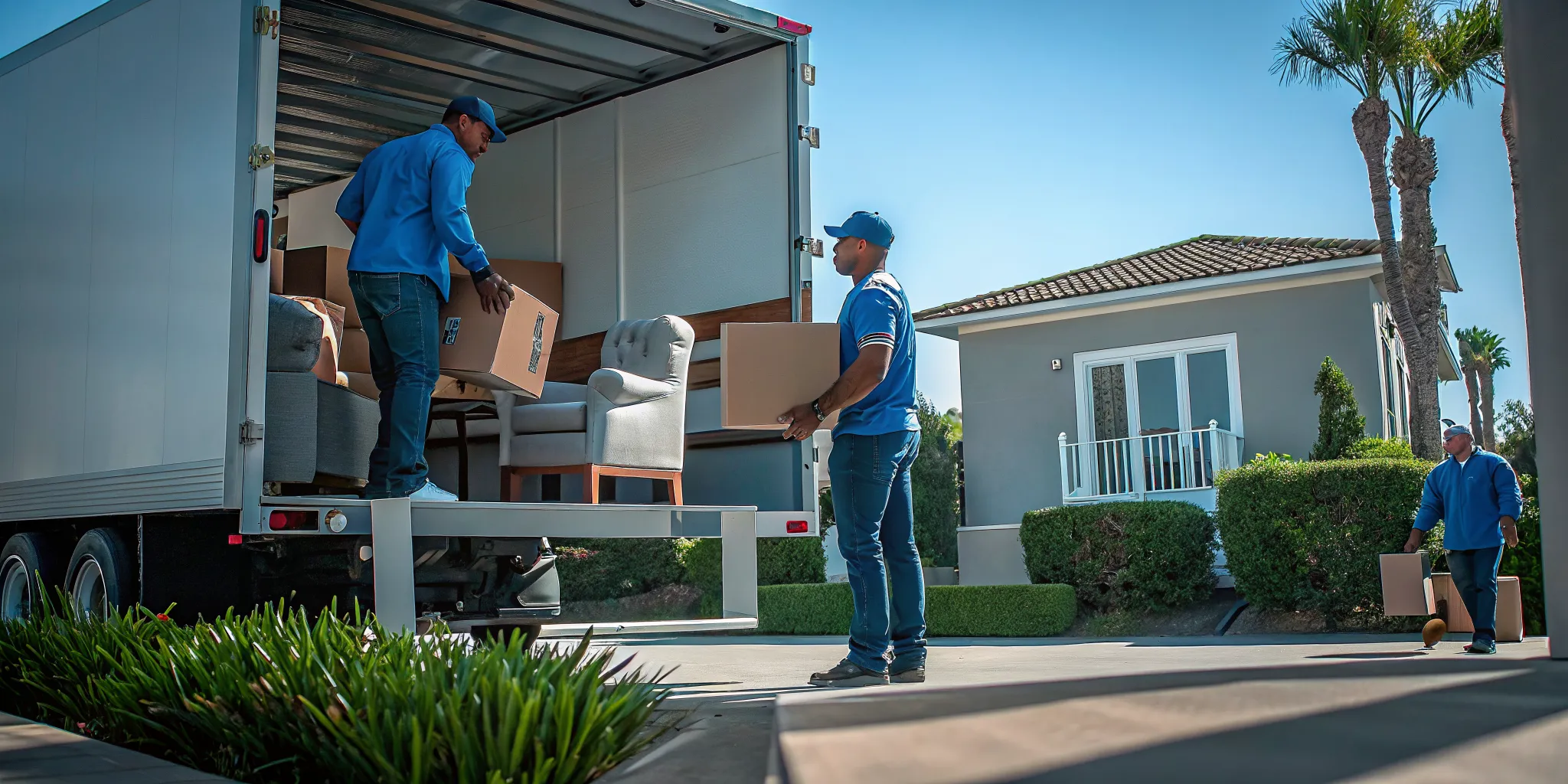
10 a.m.-1 p.m.: Keep loading organized and on track
Midday is often the busiest part of any move. As the truck fills up, you must stay active but stay out of the way of your crew. This time is about managing the house flow while keeping everyone safe and fueled. Using a clear moving day checklist helps you track what has left and what still needs to go.
Manage the loading zone
Stay ready to answer questions but give the crew space to work. Keep paths clear and make sure pets and kids are in a safe room away from the main exit. If you have last-minute items to add, tell the team early so they can plan the truck space. An organized move reduces stress for everyone and keeps the day on track.
Check every corner
Walk through every room once it is empty. Check inside closets, drawers, and high shelves for items left behind. It is easy to miss things in the rush to load the truck. If you find small items, put them in your “essentials” box or a bag. Keeping a routine helps you manage your time for a seamless moving process without missed steps.
Stay hydrated and fueled
Moving is hard work for you and the crew. Give out water and simple snacks to keep energy high. Eating a healthy diet with fruits and whole grains can help you manage the physical and mental stress of the move. It may be tempting to skip lunch. But taking a few minutes to eat will help you stay focused as you finish the last tasks at your old home.
During transit: What stays with you versus the truck?
Once the truck is loaded and the doors are locked, the transit phase of your move begins. While your crew handles the heavy lifting, you must decide what items to keep in your own car. Keeping key items close helps you stay in control and ready for any delay. You can find more moving day tips on our site to help you plan each step.
What to pack in your car
Your car should hold items that you need to use right away or that are hard to replace. This includes fresh clothes, basic tools, and a first aid kit. If you move a long distance, you may also want to keep your pet’s food and bed with you. This keeps them calm and safe during the drive. For a smooth trip, use a apartment moving guide to track your small boxes.
You should also carry a kit for your own safety during the trip. The Centers for Disease Control and Prevention notes that a good kit includes water, snacks, and a way to charge your phone. Having these items on hand ensures you stay safe if you run into traffic or car trouble. It is also wise to keep your new home keys and move papers in the glove box.
High-value items and papers
Items with a high cash or heart value should stay with you. This group includes jewelry, small family goods, and fine art. While our crews are experts at safe transit, keeping these items in your sight gives you peace of mind. For large items that need care, you can look into our storage solutions to keep them safe until your new home is ready.
Physical papers are also vital to keep close. You should have your birth cards, tax forms, and any move contracts with you. To be safe, the CDC notes that you should scan these files and save copies to a secure cloud service. This digital backup ensures you can access your data even if the paper copies are lost or damaged during the drive.
Deciding what goes on the truck
The truck is best for bulk items that you do not need until you are fully moved in. This includes beds, sofas, and large kitchen tools. Our teams use a flat-rate price model to ensure you have no surprise fees for these big loads. Use the table below to see how to split your gear between the truck and your car.
| Category | Personal Vehicle | Moving Truck |
|---|---|---|
| Paperwork | IDs, deeds, and contracts | Old files and tax records |
| Electronics | Phones, laptops, and chargers | TVs and game systems |
| Valuables | Cash, jewelry, and medals | Art and bulky decor |
| Essentials | Daily meds and soap | Spare towels and bed sheets |
| Tools | Box cutter and screwdrivers | Drills and power saws |
Get a transparent, flat-rate moving quote before your moving day
Arrival and unloading: Direct the move-in with confidence
The truck has arrived at your new home. This is the final leg of your moving day tips. Taking charge now saves time and helps avoid damage. A clear plan keeps the crew moving and ensures every box ends up in the right spot.
Check the home first
Walk through the house before the crew starts to unload. Look for any new damage to walls or floors. It is smart to take photos of the empty rooms now. This serves as a record of the state of the home. Also, check that all lights and water taps work. Getting organized early helps you stay calm during this busy time.
Guide the crew to the right rooms
Stand near the door to greet the movers. Use your moving day checklist to track items as they come off the truck. Tell the crew where each box goes based on the labels. If a room has no label, use a sticky note to mark it. This simple step keeps the crew from having to ask you where every item goes. Clear paths make the work safer for the professional crews.
Check your list as each large piece of furniture enters the home. If you see any new scuffs or breaks, tell the crew lead right away. You may also want to use this time to find a spot for your emergency supply kit. Keeping these items in one easy spot ensures you can find what you need on your first night.
Set up the main areas
Ask the movers to set up large beds and tables first. Having a place to sleep is a top goal for day one. Once the big items are in place, you can start to unpack the most needed boxes. If you have extra items you do not need yet, you can look into storage solutions. This keeps your new home clear of mess while you settle in.
The first evening: What should you unpack first?
You made it. The movers have left, and the house is finally yours. But as you look at the sea of boxes, you might feel a bit lost. Adding a section for the first night to your moving day checklist can help you stay calm. You do not need to unpack every room today. Focus on what you need to feel safe and rest well. Taking things slow can even help you handle the stress of the day.
Set up your sleep space
The most important task is to get your bed ready. You will be tired after a long day of lifting and moving. Sleep is key to staying sharp for day two. Start by finding the box with your sheets and pillows. If you have kids or pets, set up their beds first. They will feel more at ease in a new place if they have a cozy spot that smells like home. Having a clear plan for your first night is a great way to manage your mood. Experts say that a problem-solving plan can help you feel in control during big life changes.
Do not worry about the curtains or the rug just yet. Just focus on the bed frame and the mattress. If you used our storage plans for your large items, make sure those were moved in first. Once the beds are made, you can relax knowing that you have a place to rest when you finally run out of steam.
Organize the kitchen and bathroom
The next step on your list should be the bathroom. You will want a hot shower before bed. Find your towels, soap, and toothbrushes. Set out some fresh toilet paper and a bath mat. Keeping these basic items in one easy spot reduces the time you spend digging through boxes. You should also check our moving FAQs to see if you have any questions about how to handle the rest of your items.
In the kitchen, keep it simple. You only need enough to get through the next morning without opening twenty boxes. Try to find these items first:
- Plates, bowls, and forks for a simple meal.
- Coffee maker and your favorite mugs.
- Dish soap and a clean sponge.
- Pet food bowls and a water dish.
If you have an emergency supply kit, keep it on the counter where you can see it. This kit should have your medications and a flashlight. Having these items ready is a smart part of any moving day checklist. It ensures you are safe if the power goes out or if you need a quick snack.
Safety and rest
Before you call it a night, do a quick walk through your new home. Check all the locks on the doors and windows. If you need to change the locks, make a note to do that tomorrow. Look for any damage that might have happened during the move. We use flat-rate pricing and expert crews to keep your items safe, but it is always good to check. Also, take a look at your important papers. Make sure you have backups of your files like insurance cards or medical records. Keeping these in a safe, digital spot makes them much easier to find later.
Finally, know when to stop. You do not have to finish everything in one night. Moving is a big job, and your body needs a break. Physical work like cleaning can actually help lower stress, but only if you do not overdo it. Take some time to sit down, eat a good meal, and enjoy your new space. You have plenty of time to unpack the rest of the boxes in the days to come.
Frequently Asked Questions
How long does a typical local moving day take?
Most local moves for a typical three-bedroom home take between eight and twelve hours. This time includes the walk-through, loading the truck, travel time, and unloading at your new home. Things like the number of boxes, heavy furniture, and the distance between houses can change this window. Starting early in the morning helps you finish before dark. Planning for a full day helps you stay on track.
Do moving costs go up during the summer months?
Need for moving help is highest from May through September. According to Neatly Moving & Storage, about 60 percent of all home moves happen during this busy time. While many firms raise their rates when demand is high, choosing a firm with flat-rate costs can help you avoid surprise fees. Always book your date early if you plan to move during the hot summer months.
What is the best way to handle moving day stress?
Moving is a big life change that often causes high stress. You can manage these feelings by staying active and getting help from friends. Simple tasks like cleaning or light lifting can boost feel-good signals in your brain. The Mayo Clinic notes that social contact also provides support and a break during tough times. Taking short breaks to talk with family can keep your mood up.
Should I pack an emergency kit for moving day?
Yes, you should pack a small bag with items you will need right away. This kit should include basic tools, first aid items, and any daily pills. The CDC suggests having these supplies ready before any big move. Keep this bag with you in your own car rather than on the moving truck. This makes sure you have easy access to important items during the long day.
Does Neatly Moving & Storage offer junk removal services?
Yes, professional crews can help you clear out items you no longer need during your move. In addition to moving and packing, Neatly Moving & Storage offers junk removal and climate-controlled storage. This allows you to handle all your relocation needs with one team. Getting rid of old items before you move can save time and reduce the total cost of your flat-rate plan.
Ready to request your free moving quote from our experts today?
Moving day is fast and can turn into a mess with high stress if you do not have a clear plan. One small delay in the morning can cause you to lose time, so taking action now ensures you get the date you need. If you wait to book, you might lose your spot, but early planning helps you stay calm when the truck pulls into your drive. By setting up your move today, you stop the chaos and keep your path to a new home simple and very easy for you.
Ready to request a free moving quote? Request your quote online or call (818) 452-2099 to start planning and start your move with our Southern California team.


