

Climate Controlled Storage in Los Angeles: A Guide
A leather sofa can crack, a wood table can warp, and family photos can fade when Los Angeles heat and moisture reach sensitive belongings. Climate controlled storage reduces those risks by maintaining steadier conditions than a standard unit. The right choice depends on what you are storing, how long it will stay, and the level of protection each item needs.
Request a custom storage estimate from Neatly Moving & Storage.
Climate controlled storage manages temperature and moisture to protect sensitive belongings from environmental damage. It is especially useful for electronics, artwork, wood furniture, leather, photographs, documents, and musical instruments. Compared with a standard unit, the more stable environment lowers the risk of warping, cracking, corrosion, mold, and mildew during short-term or long-term storage.
Use this guide to compare storage types, identify items that need added protection, understand pricing factors, and prepare your belongings before pickup.
What is climate controlled storage?
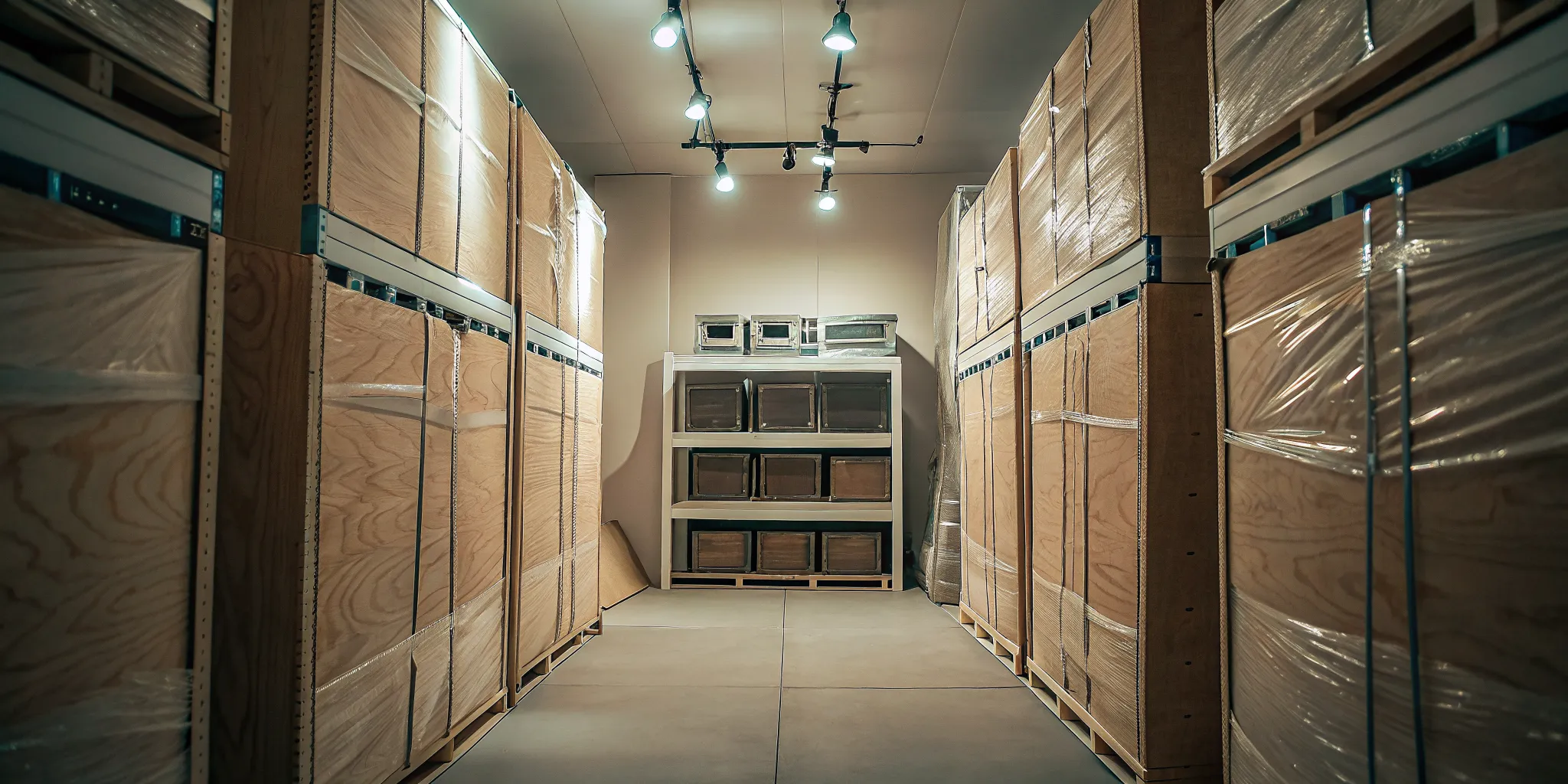
Climate controlled storage is a special type of unit that keeps a steady space for your items. Unlike a standard unit, it manages both heat and moisture levels. This setup keeps your goods safe from the harsh Southern California sun and damp air. Most units keep the air between 50 and 82 degrees Fahrenheit to stop damage from extreme weather.
Temperature and humidity control
A true climate-controlled space does more than just run a heater or a fan. It keeps the air at a set point to stop big shifts in heat. Small changes in heat can hurt fragile items like wood or paper. Most experts say the heat should not move by more than five degrees in one day. This steady state slows down the deep damage that can happen to your things over time.
Managing moisture is just as vital as the heat. High moisture can lead to mold and rot. Excessive moisture in buildings is a main cause of mold growth that can destroy wood and paper. A good unit keeps the air between 25% and 50% relative humidity. Keeping the air in this range helps prevent cracking in leather and wood while stopping pests from moving in.
Climate controlled vs standard units
Standard storage units are often like a garage or a shed. They offer four walls and a door, but they do not have a way to control the air. In Los Angeles, a standard unit can get very hot in the summer. This heat can warp wood, melt plastic, or ruin old photos. If you have high-value items, custom storage plans offer the best peace of mind.
Standard units are fine for things like yard tools or plastic bins. But for anything that heat or damp air could ruin, a controlled space is better. These units are built inside a larger building. This design adds an extra layer of safety. The thick walls and roof help keep the heat out before the air system even turns on.
How these units work
These units use an air system to move air and control the feel of the room. Large fans and cooling coils work together to pull wetness out of the air. This process is very much like how a home AC works but is more precise. It keeps the air moving so it does not get stale or damp. This air flow is key for keeping mold away and your items fresh.
You can find these units in many sizes to fit your needs. Many people use short-term storage in Los Angeles while they move between homes. While these spaces may cost a bit more, they save you money by protecting your items. You will not have to replace costly goods or electronics that the weather might have ruined.
Why Los Angeles belongings need climate protection
Los Angeles has many small climates that can put your items at risk. You might live in the hot Valley or near the damp coast. These areas have different weather, but both can harm goods left in a basic unit. Using climate controlled storage helps keep your items safe from the local area.
Protecting items from seasonal heat
Southern California is known for its intense sun and high heat. In the summer, a basic storage unit can become very hot. This heat can cause wood items to warp or crack. It can also damage the small parts inside your gear.
Most units for climate controlled storage stay between 50 and 82 degrees Fahrenheit. This range keeps the air from getting too hot or too cold. It is a good way to get the care for high-value household items for your best assets. Keeping the air at a steady level protects old photos and plastic goods from melting.
Managing coastal moisture and damp air
Damp air is another big factor in the Los Angeles area. Coastal air carries moisture that can lead to mold. If you store items in a place with too much wetness, they may start to rot. This is a big worry for clothes, paper files, and leather goods.
Too much moisture is a main cause of mold growth in buildings. Mold can eat away at wood, paper, and walls. To prevent this, experts suggest keeping the dampness level between 25% and 50%. You can find more facts on how moisture affects goods from the National Institutes of Health. This balance stops items from getting too dry or too damp.
Maintaining stable storage conditions
Steady conditions are just as vital as the heat level itself. Big swings in heat can do more harm than a steady high heat. For example, if the heat moves more than five degrees in one day, it can stress thin items. This is why many people look for flexible storage terms during a move.
A steady space slows down how fast things break down. This is key for musical tools and art. By using a unit with a set climate, you stop the constant change in size that causes cracks. It gives you peace of mind that your items will look the same when you take them out as they did when they went in.
Which items need climate controlled storage?
Most common items survive fine in a basic unit. But some goods are sensitive to the heat and humidity of Southern California. Choosing protected storage options helps keep your valuables safe from damage. These units stay at steady levels to stop items from warping, cracking, or growing mold.
Furniture and delicate fabrics
Wood and leather furniture often need a stable room. High humidity can cause wood to swell or rot, while low humidity may lead to cracks. Paper and wood are food for mold if moisture builds up in a building. Using moisture control is the best way to stop mold from ruining these natural materials.
Clothing and linens also face risks in standard storage. Damp air can leave a musty smell or lead to mildew on silk and wool. For high-value items, moving valuable collections keeps fabrics fresh and prevents pests from moving in. This is vital for wedding dresses, suits, and family heirlooms.
Electronics and media
Computers, screens, and cameras have small parts that fail in high heat. Fast changes in heat are even worse for these items. Experts note that a shift of more than 5 degrees in one day can cause physical damage to sensitive goods. Media like vinyl records and old photos also need this protection to stop them from melting or sticking together.
Art and musical instruments
Instruments made of wood, like pianos and guitars, are sensitive to air quality. When the humidity is too high or low, the wood can bend and change the sound. Fine art like oil paintings also needs a steady room to keep the paint from peeling. Storing these items in a unit that stays between 50 and 82 degrees Fahrenheit helps them last for years.
Climate controlled storage vs. standard storage
Choosing between standard and climate controlled storage depends on what you plan to store. Standard units give you a dry space but lack air systems to manage the heat. In Southern California, outdoor sun can easily warm up standard unit walls. This can put your goods at risk of damage from heat spikes and moisture.
Temperature and air control
Units with climate control maintain a steady range between 50 and 82 degrees Fahrenheit. This range keeps the air from getting too hot or too cold for your items. Research shows that temperature shifts of more than five degrees in one day can harm delicate goods. Stable air slows down how fast materials like paper and film break down over time.
A stable space is vital for long-term care of home goods. Standard units do not offer this safety, which can lead to warped wood or cracked plastic. These units use HVAC systems to keep the air calm and even. Using these units is the best way to keep high-value items safe during a move.
Humidity and moisture control
Humidity is just as important as heat when you store your property. High moisture in the air is a main driver of mold growth on wood and paper. Mold can eat through furniture and boxes if the air stays damp for too long. Climate systems pull water from the air to keep humidity levels in a safe zone.
Most pros say to keep relative humidity between 25% and 50% to prevent issues. Dry air can make leather crack, while wet air attracts pests and rot. Standard units can get humid during rainy seasons or coastal fog events. Using a unit with controlled air helps you avoid these risks for your most prized items.
Comparison of storage features
The table below shows the key differences between these two storage types. Standard units work well for items that can handle the heat, like plastic tools or metal goods. But for anything else, the extra cost of a managed unit is worth the peace of mind.
| Feature | Standard Storage | Climate Controlled Storage |
|---|---|---|
| Temperature | Changes with weather | Fixed 50 to 82 F |
| Humidity | Not managed | Kept at 25% to 50% |
| Air Flow | Passive or none | Active filtered air |
| Best For | Tools, cars, metal | Art, wood, electronics |
| Price | Lower monthly rate | Higher monthly rate |
Think about how long you will store your items. Short moves might be fine with standard units, but long stays need better care. For a full list of options, you can see our storage pickup and delivery in Southern California. Choosing the right unit now can save you from costly repairs later.
How much does climate controlled storage cost?
The price for climate controlled storage depends on a few key things. Most people find that these units cost a bit more than standard units. This is because the site must use more power to keep the air stable. A large building can spend $10,000 to $15,000 each month on power alone to protect your items.
Key factors for monthly rates
The size of your unit is the biggest part of the monthly bill. Smaller spaces like a five-by-five unit will cost less than a space for a full home. You can use the Los Angeles moving cost guide to plan your moving budget. Location also matters, as sites in busy parts of Southern California often have higher rates.
Access to your unit can also change the price. Some sites offer units on the ground floor for a higher fee. Others may have lower rates for units that you reach by elevator. You should choose the option that fits your needs and your budget while using month-to-month terms.
Balancing cost and protection
When you look at the price, think about the value of your items. Things like wood furniture, electronics, and leather can warp or break in high heat. Excess moisture can also lead to mold growth on wood and paper. The risk of mold is high when moisture stays in a small space with little air movement.
A stable space helps slow how quickly sensitive materials deteriorate. According to University of Florida preservation guidance, low humidity can make leather crack. Compare the added monthly cost with the repair or replacement value of the belongings you plan to store.
Clear pricing for storage
At Neatly Moving & Storage, we focus on clear and honest pricing. We do not use hidden fees or surprise charges for our request a storage estimate. You will get a flat-rate quote that covers the space you need for your move. Our team can help you find the right size to keep your costs as low as possible.
Neatly Moving & Storage offers flexible month-to-month terms with no 12-month minimum. Whether you need storage for a few weeks or longer, the team can prepare a custom quote based on your inventory and the space it requires.
How to choose the right storage option in Los Angeles
Picking the right storage in Los Angeles takes a bit of work. The city is very large, and the traffic can make it hard to get to your stuff. Also, the local heat can be a big risk for your goods. If you are not careful, the warm air can cause damage to wood, leather, and electronics. You need a plan to find a safe spot that fits your budget.
Item lists and planning
Start by making a full list of what you want to store. This helps you figure out the size of the unit you need. You do not want to pay for space you do not use. You also need to know which items are fragile. If you have many large pieces, look for temporary storage options that can help. This list will also be useful if you need to buy insurance for your goods. It makes the whole task of moving and storing much easier to manage.
The storage picking process
In Los Angeles, the sun is very strong. This can make the air inside a standard unit very hot. Some things can warp or melt in the heat. For these items, you need climate controlled storage. This keeps the room at a steady temp all year long. Experts at the University of Florida suggest that a stable room stops damage to old papers and wood. This type of unit is the best choice for art, music tools, and files. It keeps the air from getting too dry or too damp. Follow these steps to find the right fit for your needs.
- List your goods. Write down every box and piece of furniture you have.
- Check for heat risk. Find out which items can break in the high heat.
- Choose a local spot. Pick a site that is close to your home or work.
- Look for good safety. Find a place with gates, cameras, and bright lights.
- Ask about price. Get a flat rate so you know what you will pay each month.
- Check the rules. Make sure you can end your plan at any time.
- Hire a pro team. Use experts to help you pack and move your things safely.
Site safety and access
A good storage site should be clean and dry. If the air does not move, mold can grow. This mold can eat wood and paper, says the National Institutes of Health. You should visit the site to check for a clean floor and fresh air. Make sure the unit is easy to reach with a truck. Neatly can help you move your items into storage with no stress. We use a flat-rate price model to keep things clear and fair for you.
How to prepare sensitive belongings for storage
Safe prep is the first step to keeping your goods in top shape while they are away. Even with storage between move dates, how you pack matters. Proper prep helps stop damage from dust, air, and weight during their stay.
Prep furniture and electronics
Before storage day, use this practical checklist:
- Create an inventory and photograph high-value belongings.
- Clean and fully dry furniture, appliances, and fabrics.
- Remove batteries and back up important electronic files.
- Label boxes by room, contents, and handling needs.
If storage supports an upcoming local move in Southern California, coordinate pickup timing early. Review the moving and storage FAQ for access, coverage, and delivery details. You can also arrange junk removal before storage so you do not pay to protect items you no longer need. For larger projects, explore flexible payment options.
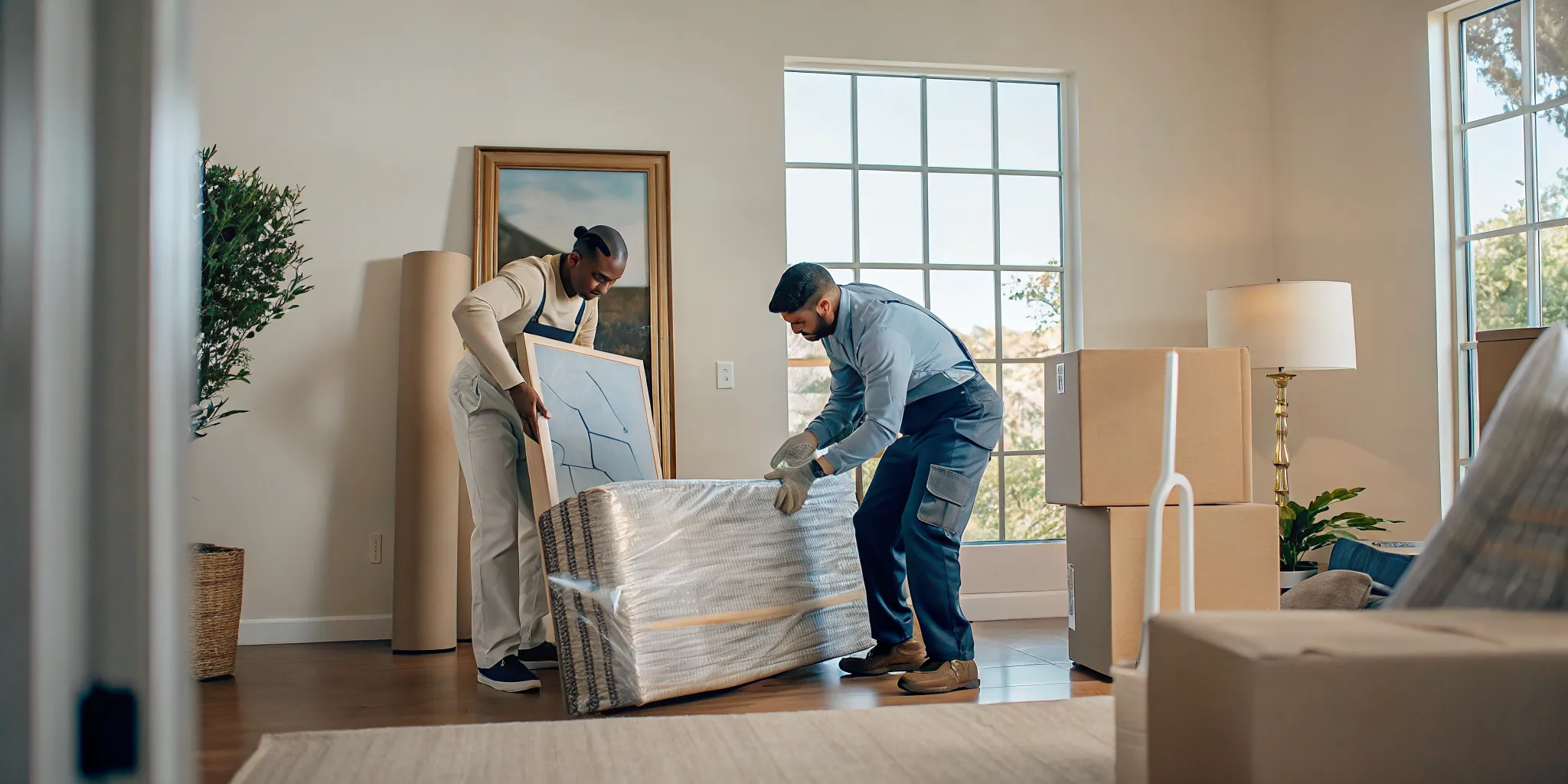
Clean all furniture before you store it. Dust can scratch surfaces if it gets trapped under wraps. Use wood wax on wood items and leather conditioner on leather to keep them from drying out. Avoid plastic wraps on wood or leather, as they can trap moisture and lead to mold. Use soft moving blankets or cotton sheets instead. These let air flow while keeping dust off your items. This is key because mold can grow where moisture sits in areas with low air movement.
For electronics, remove all batteries and cords. Batteries can leak and ruin your gear over time. If you have the original boxes, use them. They offer the best fit and padding. If not, use anti-static wrap and sturdy boxes. Label every cord so you know where it goes when you unpack later.
Protect art and paper
Art and paper need extra care. Wrap framed art in acid-free paper first. Then, use bubble wrap or specialized boxes for more safety. Store photos and documents in flat, acid-free folders. This stops them from sticking together or fading. Keep these items off the floor by using pallets or shelves. Even in specialty moving support, small air gaps under your boxes help keep items safe and dry.
Plan for air and access
How you stack your unit affects how well it works. Do not push boxes right against the walls. Leave an inch or two for air to move. This helps maintain the right temperature and humidity around your belongings. Label all sides of your boxes with clear text. This makes it easy to find what you need without moving every box. Put items you might need soon near the front of the unit. This access planning saves you time and stress later on.
Frequently Asked Questions
Why do I need climate controlled storage in Los Angeles?
Los Angeles heat and humidity can damage your items during the summer. Standard units can get very hot, causing wood to warp and plastics to melt. A climate controlled unit keeps a steady temperature to protect your goods. According to Public Storage, these units often stay between 50 and 82 degrees Fahrenheit. This range keeps your goods safe from the high heat found in Southern California.
Is climate controlled storage more expensive than standard units?
Yes, these units often cost more because they use more power to keep the air steady. Buildings often pay higher bills for the power needed to run these systems. However, the extra cost is often worth it to avoid the price of replacing damaged goods. Neatly Moving & Storage offers transparent monthly pricing with no long-term contracts. This makes it easy to get the protection you need for your valuable items without any hidden fees.
Does climate controlled storage protect against mold and mildew?
Yes, keeping the air at a steady level helps prevent mold from growing on your items. Mold often grows when too much moisture builds up in a space where air does not move. According to the NIH, moisture is the main cause of mold growth that can destroy wood and paper. By controlling the humidity and temperature, these units keep your sensitive items dry and safe from rot or bad smells.
What items should always go in climate controlled storage?
You should use climate control for items that are sensitive to heat or moisture. This includes wooden furniture, leather goods, electronics, and musical instruments. Artwork and old photos also need a steady space to keep them from fading or cracking. Experts at Extra Space Storage suggest these units for any item that could warp or break in high heat. Keeping these items in a controlled space ensures they stay in great shape for years.
Plan storage with Neatly Moving & Storage
The right storage plan protects your belongings and keeps your move easier to manage. Neatly Moving & Storage can help you coordinate moving, packing, and storage with clear communication and transparent flat-rate pricing.
storage solutions from Neatly to discuss your inventory, timeline, access needs, and the level of protection your items may need.


