

Learning how to move plants requires more than placing pots in spare boxes. A successful plant move protects delicate stems, contains soil, controls temperature, and accounts for any rules that apply along the route. With a thoughtful plan, even a substantial indoor collection can arrive ready to settle into a new Southern California home.
Plan a carefully coordinated move with a long-distance quote from Neatly Moving & Storage.
To move plants safely, begin preparing two to three weeks ahead. Inspect them for pests, prune only damaged growth, and avoid repotting immediately before departure. Water lightly two or three days before moving, secure each pot in an open-top box, protect stems without compressing foliage, and transport plants in a temperature-controlled passenger vehicle whenever possible. For interstate travel, check current plant-entry rules with the destination state’s agriculture authority before packing.
Plants are living, responsive belongings. They react to abrupt changes in light, airflow, moisture, and temperature, so their moving plan should be as deliberate as the plan for artwork or other fragile pieces. Add plant preparation to your complete household moving checklist, assign a responsible person to monitor the collection, and decide in advance which plants are suitable for the journey.
- Review every plant: Identify pests, damage, and specimens that may not travel well.
- Prepare stable containers: Secure pots, contain soil, and protect foliage without compressing it.
- Control the travel environment: Minimize exposure to temperature swings, direct sun, and drafts.
- Confirm interstate rules: Check current agriculture guidance before crossing state lines.
- Reintroduce plants gradually: Restore their usual light and watering routine after arrival.
How Should You Prepare Plants Before Moving Day?
Begin with an honest inventory. Record each plant’s size, pot material, condition, and preferred light. Note unusually valuable specimens, heavy planters, trailing vines, sharp spines, or fragile branches. This review helps you select appropriate containers and identify plants that may be better given to a trusted friend rather than exposed to a demanding trip.
Confirm the route and destination rules
A local move generally presents fewer complications than an interstate move, but every route deserves advance planning. If crossing state lines, consult the destination state’s agriculture or plant-health authority for current guidance. Requirements can vary by plant type, soil condition, origin, and destination. Do not assume that a houseplant accepted on one previous trip will automatically be accepted on another.
Inspect leaves, stems, and the soil surface for insects, eggs, webbing, mildew, or other concerns. Isolate and treat affected plants well before moving day. Cleaning the exterior of each planter also prevents dirt from transferring to floors, upholstery, and adjacent belongings. The University of Minnesota’s houseplant guidance explains how sudden environmental changes can stress indoor plants.
Stabilize plants without creating new stress
Moving week is not the time for dramatic pruning, fertilizing, or repotting. Remove dead or clearly damaged foliage, but preserve healthy growth. A freshly repotted plant has disturbed roots and loose soil, both of which make transport more difficult. If a cracked or unsafe pot must be replaced, do it several weeks ahead so the plant has time to stabilize.
- Prune selectively: remove only dead leaves and damaged stems rather than reshaping the entire plant.
- Treat pests early: allow enough time to confirm that treatment worked before placing plants together.
- Clean each planter: wipe away dust, cobwebs, and residue, then inspect for cracks or loose saucers.
- Photograph special plants: reference images can help with careful unpacking and placement.
- Reserve a staging area: keep prepared plants together in a protected room away from moving traffic.
Integrate these steps into your pre-move planning list rather than leaving them for the final evening. That small scheduling decision makes it easier to protect both the plants and the rest of the home.
How Neatly Moving & Storage Recommends Packing Plants
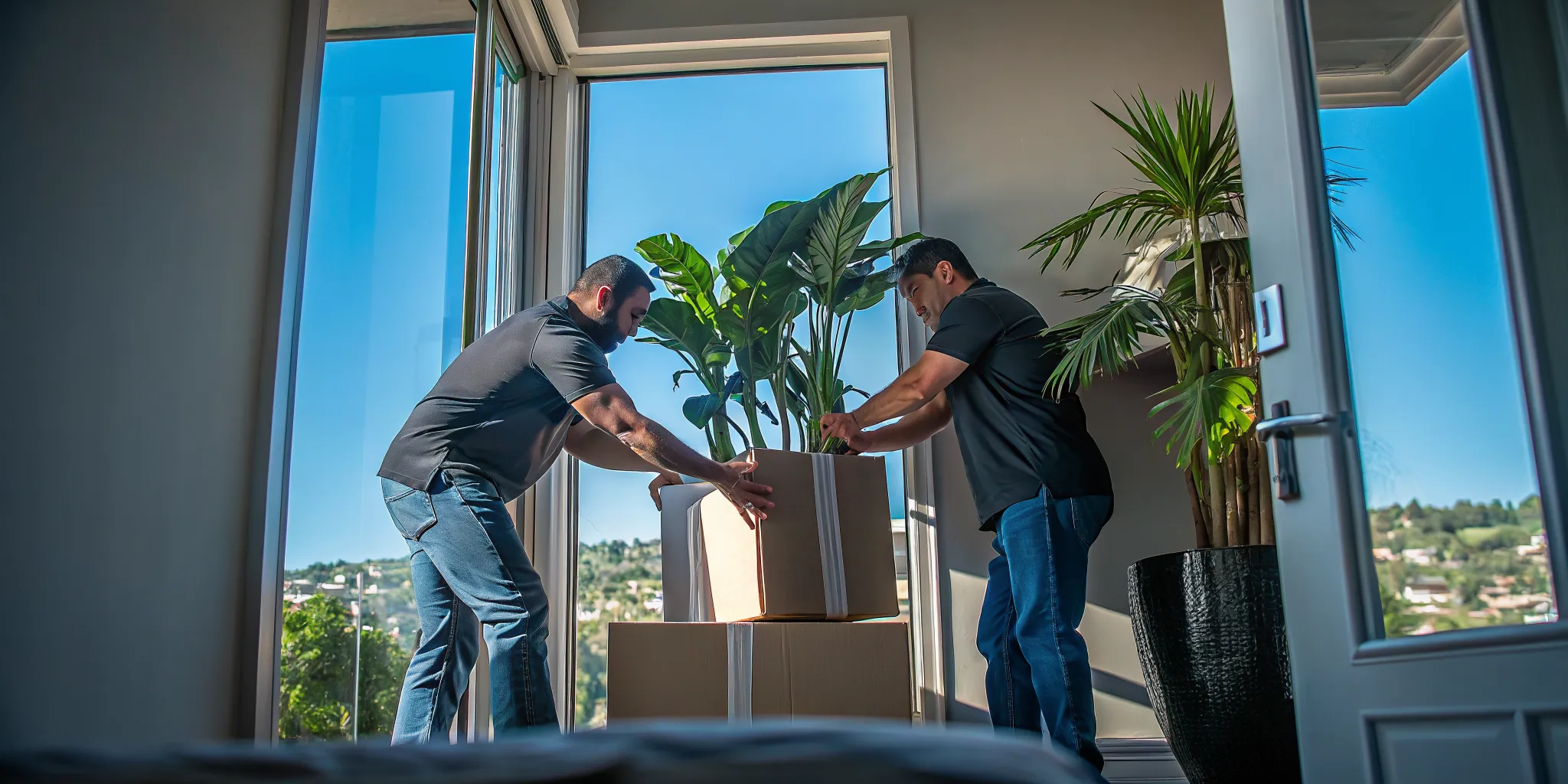
The right packing method immobilizes the planter while leaving foliage room to breathe. Start with sturdy boxes that fit the base of each pot. The box should not be so tight that it presses against the pot, nor so wide that the planter can slide. Line the bottom with cushioning, center the pot, and fill the remaining space around the base with clean paper or towels.
Manage water and loose soil
Water plants lightly about two or three days before departure, adjusting for the plant and season. The goal is comfortably moist soil, not saturated soil. Overwatered pots are heavier, more likely to leak, and vulnerable to root problems. Very dry soil can shift out of the planter and leave roots without adequate moisture during a longer trip.
Place a bag or protective wrap around the planter and secure it near the base of the plant without constricting the stem. This contains loose soil while allowing foliage to remain uncovered. Remove saucers or secure them separately so they cannot strike the pot. For ceramic, stone, or decorative planters, wrap the vessel itself with suitable cushioning, following the same principles used in careful packing for fragile household pieces.
Match the method to the plant
- Small plants: group several pots in a divided or well-cushioned open box, ensuring the foliage does not become tangled.
- Medium plants: give each planter a stable position and fill every gap around its base to prevent sliding.
- Tall plants: use a stake only when needed, attach it gently, and keep the top of the plant away from ceilings and doors.
- Trailing plants: gather vines loosely and place them above the soil rather than allowing them to hang outside the box.
- Prickly plants: wear thick gloves and create a protective cardboard collar that prevents accidental contact without crushing spines.
- Heavy planters: assess whether the vessel can be transported safely and use appropriate handling equipment rather than lifting impulsively.
Label every plant box clearly and mark the best lifting points. Do not stack anything on top. For additional household coordination, use Neatly Moving & Storage’s room-by-room relocation guide to keep plant boxes separate from conventional cartons.
Decide which plants should make the journey
A discerning move also involves deciding what not to transport. Consider each plant’s health, sentimental importance, mature size, and suitability for the new home’s light. A plant that already shows substantial stress may not respond well to a long trip. Likewise, a large specimen may require more protected vehicle space than is realistically available. Giving an unsuitable plant to a friend, neighbor, or local gardening group can be a responsible decision rather than a loss.
Plan separately for valuable decorative planters. When a vessel is especially fragile, heavy, or difficult to replace, it may be safer to transport the plant and planter as separate pieces, provided the plant can be repotted well before moving day. This is not a last-minute task. Any necessary change should happen early enough for the plant to recover before travel.
Finally, communicate the plant plan to everyone involved. Labels should identify upright orientation, lifting points, and any handling concern such as sharp spines or a loose base. Keep an inventory with your fragile-item planning checklist so no plant is overlooked during the final walk-through.
How Do Local and Interstate Plant Moves Differ?
A local move may allow plants to leave one home and enter the next within hours. An interstate move can involve multiple climate zones, overnight stops, and destination-specific restrictions. The packing fundamentals remain similar, but longer travel requires a more detailed care plan and earlier confirmation of the rules.
| Consideration | Local Move | Interstate Move |
|---|---|---|
| Typical transit plan: | Same-day transport | Potential multi-day travel |
| Plant-entry review: | Confirm applicable local guidance | Check destination and route requirements |
| Temperature management: | Shorter exposure window | Continuous monitoring is important |
| Overnight care: | Usually unnecessary | May require bringing plants indoors |
| Preferred transport: | Passenger vehicle when practical | Climate-controlled passenger vehicle when practical |
Plan local moves for minimum exposure
For a local relocation, stage plant boxes near the exit but away from drafts and foot traffic. Load them last and unload them early. A passenger vehicle is often the most controllable environment, particularly during hot inland summers or cool winter mornings. Review Neatly’s guidance for professionally coordinated local moves when planning the sequence for a Southern California relocation.
Research interstate requirements before packing
Plant-entry requirements exist to protect agriculture and ecosystems from pests and disease. Check official sources for the destination and any relevant route considerations, then follow the current guidance exactly. Some plants or soil conditions may require additional attention. If a plant cannot travel lawfully or safely, arrange an appropriate new home for it before moving day.
For a long trip, map overnight stops and identify where plants can remain indoors. Plan enough vehicle space so foliage is not pressed against windows or luggage. Keep a small plant-care kit accessible, but avoid overwatering simply because the trip is long.
What Temperature and Light Conditions Protect Plants?
Temperature control is one of the most important parts of learning how to move plants. A closed vehicle can change temperature quickly, and the cargo area of a moving truck may not provide the stable environment delicate plants need. When practical, carry plants in a passenger vehicle where a responsible adult can monitor conditions.
Prevent heat, cold, sun, and wind damage
Never leave plants unattended in a parked vehicle during warm or cold conditions. Keep foliage away from hot glass, direct air-conditioning vents, heaters, and intense sunlight. A loose paper or cardboard screen can reduce direct sun exposure without sealing the plant in an airtight wrap. In cold weather, minimize the time plants spend outside between the home and vehicle.
Wind can desiccate leaves and break stems. Plants should not travel exposed in an open truck bed. Even inside a vehicle, secure boxes so sudden braking or turns cannot shift them. Consult Neatly’s practical moving recommendations while planning the broader loading sequence.
Create a sensible travel routine
- Load plants last: reduce their time in a dark or uncontrolled space and make them easier to unload first.
- Secure every box: position plant containers where they cannot slide, tip, or receive pressure from other items.
- Monitor conditions: check temperature, foliage, and soil periodically without repeatedly disturbing each plant.
- Use overnight shelter: bring plants inside during overnight stops when conditions in the vehicle are unsuitable.
- Keep supplies accessible: carry clean shears, paper towels, labels, and a modest amount of water.
Good judgment matters more than rigid routines. A succulent, orchid, and mature indoor tree do not respond identically, so use your knowledge of each plant alongside your moving-day action checklist.
Moving-Day Plant Care With Neatly Moving & Storage
On moving day, plants should already be inspected, labeled, and staged. Keep them away from busy walkways while furniture and cartons leave the home. Assign one person to oversee plant transport so responsibility does not become unclear during a complex relocation.
Use a deliberate loading sequence
Before carrying a plant, confirm that its pot is secure and the route to the vehicle is clear. Lift from the container or supported box, never from the stem. Tall or broad plants may require two people even when the planter itself seems manageable. Protect doorways and floors, and do not force foliage through a narrow opening.
Load plants after conventional belongings when possible. They should remain upright, separated from unstable cargo, and easy to reach. Do not place them beneath boxes, furniture pads, or other materials. Reference your final departure checklist before the vehicle leaves.
Respond calmly to minor damage
A broken leaf or small amount of spilled soil does not necessarily indicate serious harm. Stabilize the pot, collect loose soil, and trim a badly broken stem with clean shears if needed. Avoid extensive intervention while in transit. The priority is to restore a secure position and a stable environment until the plant reaches the destination.
Before leaving either property, count the plant boxes against the inventory and inspect the staging area for saucers, stakes, or smaller pots. Confirm that every box remains upright and that nothing shifted during loading. This brief review, incorporated into a careful moving-day review, can prevent an important specimen or accessory from being left behind.
How Can Plants Recover After the Move?
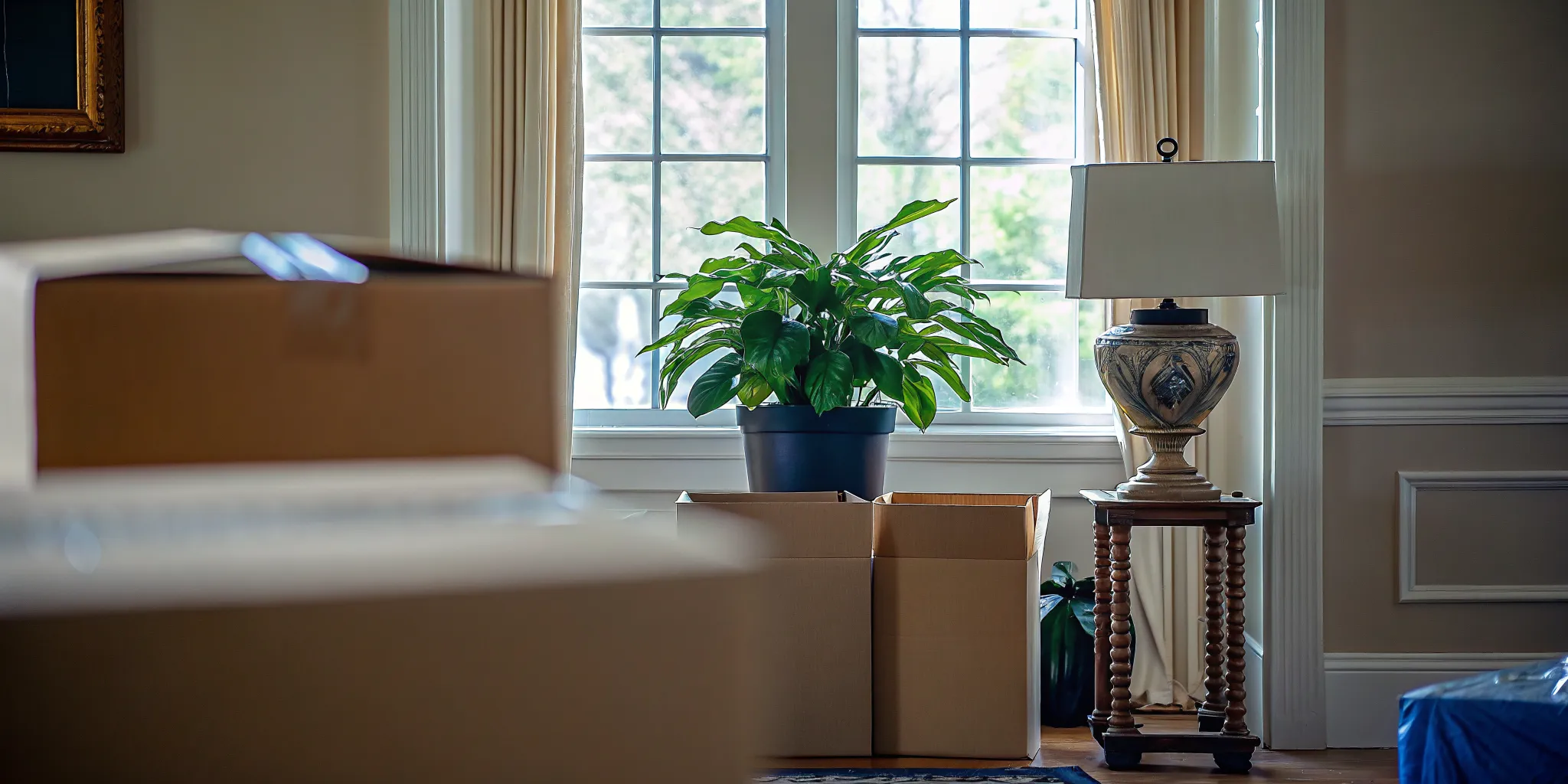
Unpack plants promptly and place them in a calm, protected area. Do not immediately scatter them throughout the new home. A single staging room makes it easier to inspect the collection, clean up loose soil, and observe how each plant responds during the first several days.
Inspect before choosing permanent locations
Remove protective wrapping, check stems and leaves, and confirm that drainage openings are clear. Clean minor spills and use clean shears for genuinely broken growth. Look for pests again before placing plants close together. If one plant appears concerning, isolate it until its condition is understood.
Choose initial locations with gentle, familiar light rather than the brightest window in the home. Even a plant that normally enjoys strong light may need a gradual transition after travel. Observe the direction and intensity of sunlight over several days before deciding on a permanent arrangement.
Restore the normal routine gradually
Check soil moisture before watering. A stressed plant may wilt even when its soil is sufficiently moist, so adding water automatically can make matters worse. Delay repotting and fertilizing until the plant has had time to adjust unless a damaged container creates an immediate safety issue.
- Unpack promptly: remove boxes and wraps so plants regain normal airflow and light.
- Inspect carefully: identify broken growth, loose soil, planter damage, or evidence of pests.
- Place thoughtfully: begin with stable, moderate conditions and adjust positions gradually.
- Water by need: assess the soil rather than following the calendar during recovery.
- Postpone major changes: avoid immediate repotting, heavy pruning, or fertilizing.
Use a post-move settling-in checklist to coordinate plant care with the many other priorities of a new home. Thoughtful observation during the first week is often more valuable than aggressive intervention.
Frequently Asked Questions About Moving Plants
How do you prepare plants for a move?
Inspect plants for pests, remove dead or damaged growth, clean each planter, and gather stable boxes two to three weeks before moving. Avoid repotting or making other major changes immediately before departure. Confirm destination rules early if the move crosses state lines.
Should I water plants before moving them?
Water lightly about two or three days before moving, adjusting for the plant, season, and journey. Soil should be comfortably moist rather than saturated. This reduces leaking and excess weight while helping roots avoid drying out.
Can I leave plants in the moving truck?
A moving truck may expose plants to darkness and temperature changes, so a climate-controlled passenger vehicle is generally preferable when practical. If plants must travel in a truck, minimize their time inside, keep them upright, and never place cargo on top of them.
How do you transport plants in a car safely?
Secure each planter in an open-top box, cushion the base, keep foliage away from windows and vents, and prevent boxes from sliding. Maintain a comfortable cabin temperature, avoid leaving plants in a parked car, and bring them indoors during unsuitable overnight conditions.
Plan a More Considered Move With Neatly Moving & Storage
Moving a cherished plant collection is manageable when preparation begins early and every stage is intentional. Inspect plants, choose stable containers, confirm applicable restrictions, manage the travel environment, and give greenery time to recover. Those same principles of organization and care support a smoother relocation for the entire household.
Request a long-distance quote from Neatly Moving & Storage to start planning your move.


