

Wrinkles and wasted space usually begin before the first shirt enters a box. A quick sort and the right method for each fabric keep your wardrobe neat from closet to closet.
Ready to skip the packing stress? Get a moving and packing quote from Neatly Moving & Storage today.
How to pack clothes for moving starts with sorting every item into keep, donate, discard, and first-week groups before packing begins. Pack hanging suits, dresses, and wrinkle-prone pieces in wardrobe boxes, then roll soft casual clothes and flat-fold structured items tightly in sturdy boxes or luggage. Keep every garment clean and fully dry, fill gaps with socks or scarves, and stop packing before boxes become compressed or unsafe to lift. Label each container by clothing type and destination room, then keep a clearly marked first-week suitcase with you for easy access. As U-Pack notes, decluttering before a move can save unpacking time and reduce costs when charges depend on used space.
Choosing between boxes, bags, and suitcases gets easier once you know which clothes are worth moving and which need extra care. Next, How to pack clothes for moving: start with a smart sort addresses that first decision before you reach for tape. The path begins with a clear closet edit.
How to pack clothes for moving: start with a smart sort
The easiest way to pack a closet starts before you open a box. Sort first, then pack only what belongs in your next home. This simple order cuts clutter and gives every box a clear purpose.
Make four clear decisions
Work through one closet, dresser, or clothing rack at a time. Place each item into one of four groups: keep, donate, sell, or discard. Finish that small area before starting another one.
Keep items that fit, serve a purpose, or matter to you. Donate or sell useful pieces that no longer suit your life. Discard clothing that is worn out, stained, or beyond repair.
- Keep: Clothing you wear, need, or value
- Donate: Clean items in good, usable condition
- Sell: Higher-value pieces worth the added effort
- Discard: Damaged items that cannot be reused
Be honest about clothes that have stayed untouched for a long time. Every piece you remove means less wrapping, lifting, and unpacking later. Add donation drop-off and sale deadlines to your moving checklist so unwanted bags do not follow you.
Prepare clean, dry clothes
Wash everyday clothes before packing, and allow every load to dry fully. Check pockets for keys, receipts, pens, and loose items. Set aside pieces that need mending, stain care, or dry cleaning.
Clean clothes can move straight from a box into the new closet. This saves time during the first busy days after arrival. It also keeps dirty items from mixing with fresh clothing.
Separate shoes from clean fabrics, and wipe off dirt before packing them. Keep damp towels and workout clothes out of sealed boxes. Pack them only after they are clean and dry.
Build groups for easy unpacking
Sort kept clothing by person first, then by room and season. Within each group, separate hanging clothes, folded clothes, shoes, and accessories. Keep each category together as you pack.
Put current-season basics and the first few outfits in an easy-access suitcase. Pack out-of-season pieces separately, since they can go straight into storage. Label each box with the person’s name, clothing type, and destination room.
A clear sorting system helps prevent half-empty boxes and mixed loads. Smaller, focused groups can also make clothing boxes easier to handle. The CDC’s manual handling guidance stresses proper body mechanics when moving heavy boxes.
Before sealing anything, scan each group for items needed on moving day. Pull out sleepwear, undergarments, work clothes, and weather-ready layers. This final check keeps essentials close while the rest of the wardrobe stays neatly packed.
Choose the right container for every type of clothing
Learning how to pack clothes for moving starts with matching each garment to the right container. A good match limits wrinkles, keeps boxes easy to lift, and makes unpacking simpler. Before filling anything, review your packing essentials for your clothes and set aside what you will wear first.
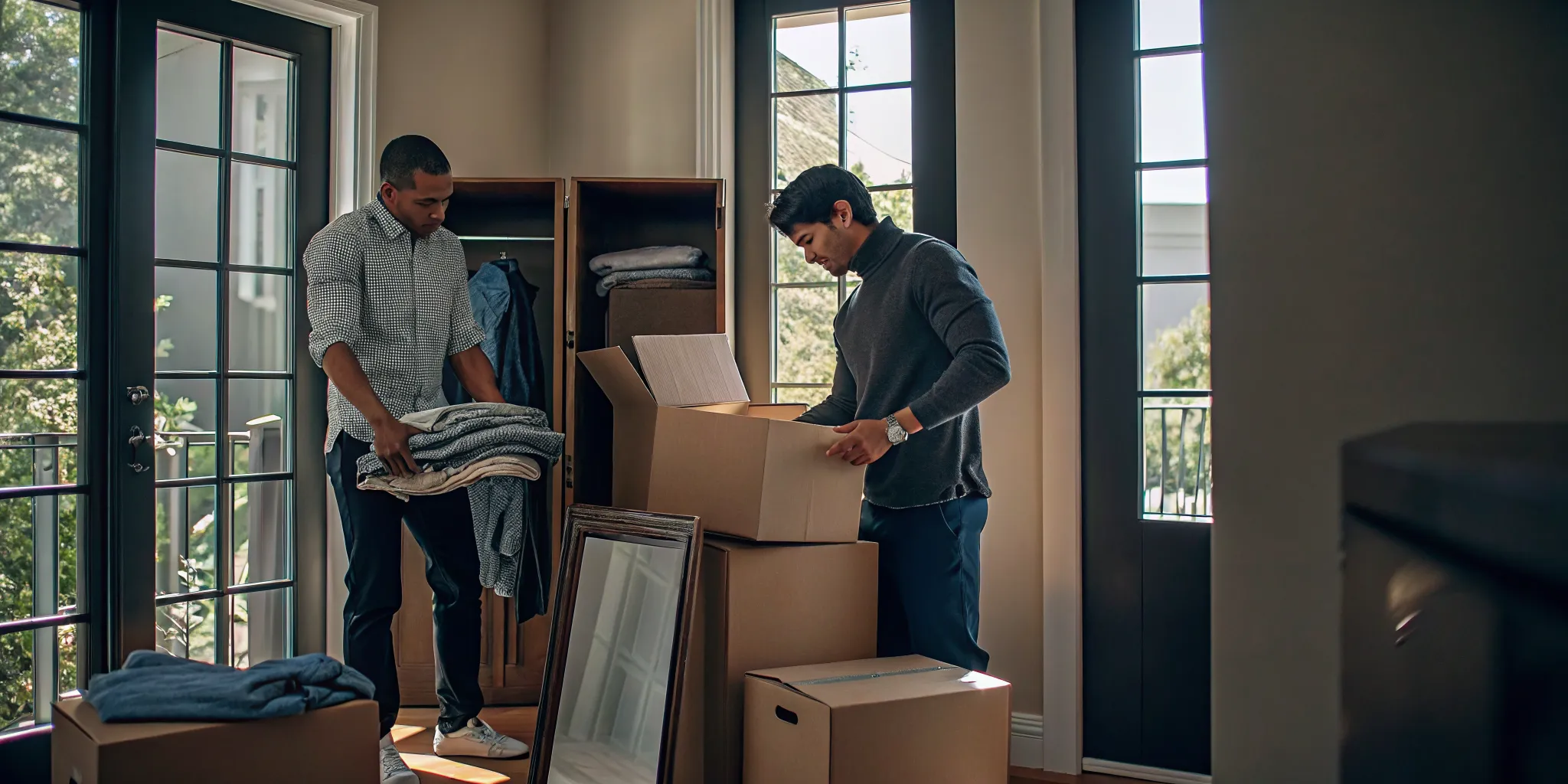
Container comparison at a glance
No single container works well for an entire closet. Use this comparison to sort clothes by weight, shape, and when you will need them.
| Container | Best use | Main benefit | Key caution |
|---|---|---|---|
| Wardrobe box | Suits, dresses, and hanging shirts | Clothes stay on hangers | Do not crowd the bar |
| Small or medium box | Folded denim, sweaters, and shirts | Easy to stack and label | Keep heavy clothes in smaller boxes |
| Suitcase | First-week outfits and shoes | Stays easy to reach | Keep it with you |
| Dresser drawer | Light, folded everyday clothes | Saves packing time | Ask your mover before leaving it full |
| Garment bag | Formal or delicate clothing | Shields fabric while hanging | Place it where it will not be crushed |
| Vacuum bag | Bulky coats and seasonal clothes | Compresses soft items | Avoid for clothes that crease easily |
Boxes and drawers for everyday clothes
Pack folded shirts, pants, and sweaters in sturdy small or medium boxes. Use smaller boxes for dense items such as denim, since a full large box can become hard to handle. Reusable containers and careful supply choices also support a more eco-friendly move in Los Angeles. Safe lifting matters, too.
Light clothes may stay in dresser drawers if your mover approves. Remove loose items, jewelry, and anything breakable first. A full dresser is harder to carry, so crews may need drawers emptied before moving it.
Suitcases work best for the clothes and shoes needed during the first days after arrival. Keep one suitcase per person easy to reach instead of placing it deep in the moving truck.
Protection for hanging and bulky clothes
Use wardrobe boxes for suits, dresses, coats, and shirts that should remain on hangers. Transfer each hanger straight from the closet to the box bar. Neatly provides wardrobe boxes as free rentals on moving day, which can reduce waste after unpacking.
Place formal or delicate pieces in garment bags before hanging them in a wardrobe box. This extra layer helps guard fabric from snags and dust. For more ways to limit creases, review these wrinkle-free clothing packing tips.
Vacuum bags suit bulky coats and other soft seasonal items that take up too much room. Do not treat the bag as a moving box. Place each sealed bag inside a sturdy container so it stays protected and stacks safely.
What folding method saves space without causing wrinkles?
No single folding method works for every garment. The best approach sorts clothes by fabric, shape, and how easily they crease. Rolling suits soft casual pieces, while flat folding protects garments with firm seams. Bundle wrapping can reduce hard fold lines, and hangers keep structured clothing in shape.
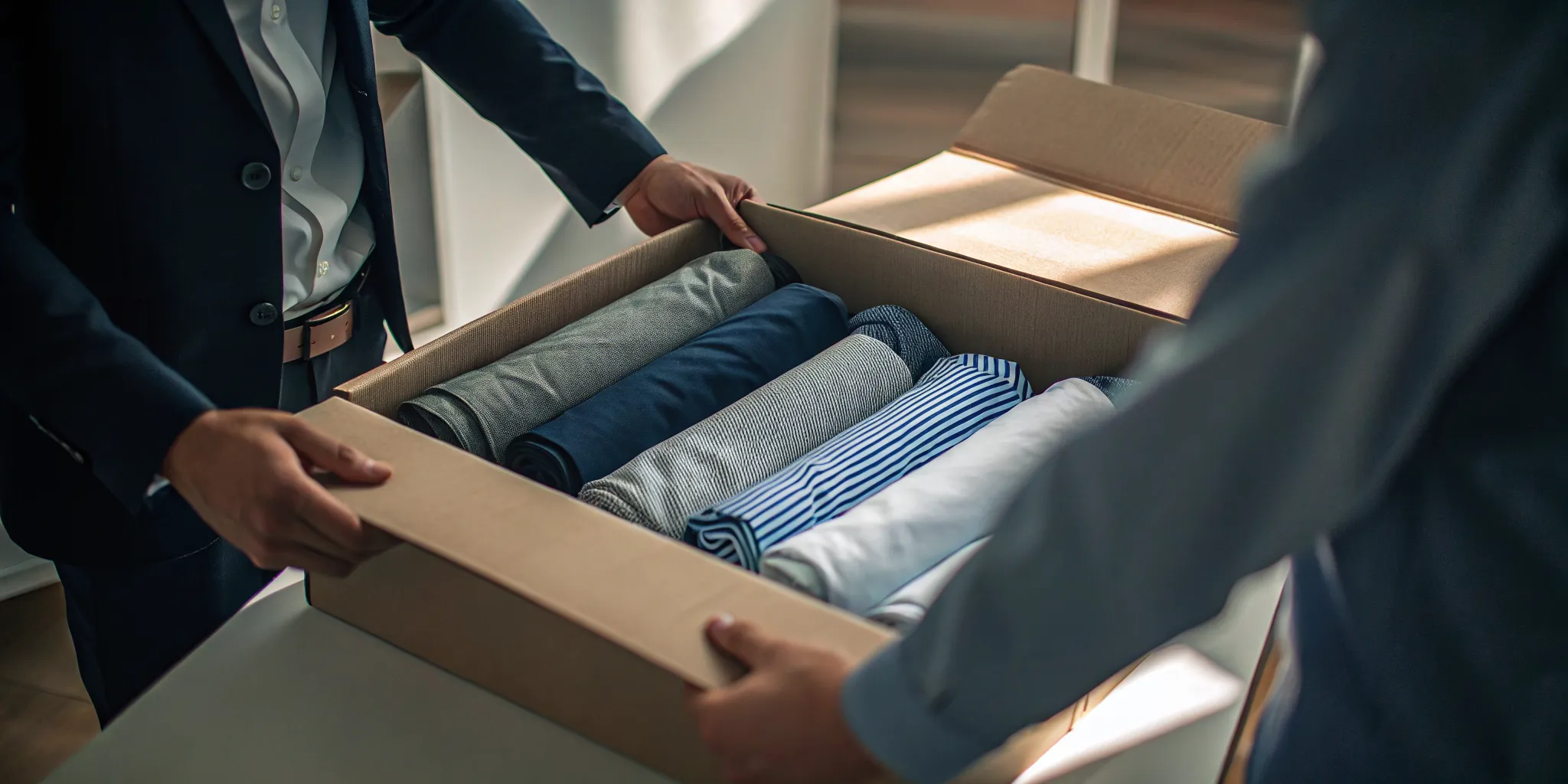
Choosing the right method
Roll T-shirts, leggings, pajamas, and other soft clothes into smooth, loose cylinders. Rolling uses box space well and limits sharp creases, but tight rolls can still wrinkle thin fabric. Flat fold jeans, sweaters, and casual pants along their natural seams. Keep each stack low and even.
Bundle wrapping works well for a small group of light garments. Lay the largest piece flat, place smaller items in the center, then wrap each layer around the bundle. This spreads pressure across the clothes instead of creating one firm crease. Save this method for clothes you plan to unpack soon.
Keep suits, dresses, dress shirts, and pleated pieces on hangers when possible. Wardrobe boxes let these items hang instead of sitting under a heavy stack. Neatly provides wardrobe boxes as free rentals on moving day. For more ideas, review these wrinkle-free clothing packing tips.
A wrinkle-aware packing workflow
Use this process when learning how to pack clothes for moving. It keeps similar items together, limits crushing, and makes each box easier to unpack.
- Wash and fully dry every garment before packing. Set aside delicate, formal, and high-value pieces for separate care.
- Group clothes by method: roll soft casual wear, flat fold firm items, bundle light layers, and leave structured pieces on hangers.
- Smooth each item before rolling or folding. Fasten buttons and zippers, then follow the garment’s natural seams.
- Place dense folded items at the bottom. Add rolls or light bundles above them, without pressing down to create more room.
- Fill small gaps with clean socks or scarves. Stop when the flaps close flat without force, then seal and label the box.
Space without excess weight
A tightly packed box is not always an efficient box. Denim and sweaters can make a large box hard to lift before it looks full. Use smaller boxes for dense clothes, and divide heavy stacks across several containers. Your packing essentials for your clothes should include enough sturdy boxes to avoid overfilling.
Test each box before sealing it. You should be able to lift it with control while keeping it close to your body. If a box feels awkward, split the contents rather than forcing the lift.
How do you keep clothes wrinkle-free during a move?
Wrinkle prevention starts with choosing the right packing method for each garment. Hang structured pieces, fold delicate items with care, and keep anything sharp or dirty away from fabric. These simple choices help clothes arrive ready to wear instead of crushed at the bottom of a box.
Hanging suits and dresses
Use wardrobe boxes for suits, dresses, blazers, and other clothes that lose shape when folded. Space hangers loosely so garments can hang straight without pressing against each other. Neatly provides wardrobe boxes as free rentals on moving day, which makes this method easy for hanging clothes.
Fasten every zipper and button before hanging each piece. This helps the garment hold its shape and keeps loose hardware from catching nearby fabric. Place a clean garment bag over formal or delicate pieces, but choose a breathable cover when possible. For more ideas, review Neatly’s wrinkle-free clothing packing tips.
Protection for folded and delicate fabrics
Fold silk, lace, sequined pieces, and vintage clothes with acid-free tissue between the layers. The tissue cushions folds and keeps rough trim from rubbing against nearby fabric. Pack these pieces in a firm, clean box without pressing heavy clothes on top.
Roll soft casual items, such as T-shirts and leggings, to limit hard fold lines. For folded shirts and pants, make smooth folds and fill open gaps with clean socks or scarves. That padding limits movement inside the box without adding hard pressure points.
Pack shoes in separate boxes or bags after cleaning them. Stuff each shoe with plain packing paper or socks so it keeps its shape. Keep belts, jewelry, and hangers away from loose clothing because buckles, hooks, and heels can snag or mark fabric.
Moisture and pressure control
Only pack clothes after they are fully clean and dry. Even slight dampness can become trapped in a sealed box or plastic bin. If the trip or storage period may be long, use breathable garment covers instead of leaving delicate clothes sealed in plastic.
Plastic bins can guard against outside moisture during a move, but they should not trap damp fabric. Open and unpack them soon after arrival. If clothes will remain packed, check the conditions and choose a dry, clean space. Neatly’s storage solutions can help when a move includes a longer storage period.
Do not force extra clothes into a full box. Compression sets deep creases and can make the box hard to handle. Use smaller boxes for dense clothes, then label wrinkle-prone or delicate boxes for careful handling.
When should you start packing your clothes?
Start a few weeks before your move, but do not empty every closet at once. A staged plan keeps daily outfits within reach while reducing the work left for moving week. It also gives you time to sort, clean, and pack clothes without rushing.
A few weeks before moving
Begin with clothes you will not wear before the move. Pack off-season coats, special-event outfits, spare linens, and items stored in guest rooms first. Before boxing them, create keep, donate, sell, and discard groups.
Sorting early means fewer items to pack and unpack. Use the broader packing essentials for your clothes to plan supplies and other tasks around this first round. If your closet edit is part of a smaller-home move, follow Neatly’s Southern California downsizing checklist. Make sure every garment is clean and fully dry before sealing it away.
Give each box a number, then note its contents and destination room on a simple inventory. A label such as “Primary Bedroom, Box 3. Winter Clothes” is more useful than “Clothes.” Mark boxes that hold delicate fabrics so your moving crew knows they need careful handling.
The final week
During the last week, pack most folded clothes, shoes, and accessories. Leave out enough workwear, casual outfits, sleepwear, and undergarments for the days ahead. Set aside one outfit for moving day before closing any box.
Pack dense items, such as jeans, in smaller boxes that are easier to carry. Avoid filling any box until it becomes hard to lift. A manageable load protects both the clothing and the person carrying it.
Keep hanging clothes grouped by closet section until close to moving day. This makes them faster to transfer into wardrobe boxes and easier to place in the new closet. Neatly provides wardrobe boxes as free rentals on moving day, which can help limit wrinkles.
Moving day essentials
Pack a personal suitcase with the clothes you will need during the move and right after arrival. Include sleepwear, undergarments, socks, shoes, and a change of clothes. Keep this suitcase with you instead of staging it with moving boxes.
Place sealed clothing boxes together in one clear staging area. Check each label against your inventory before loading begins. For more ways to organize the final handoff, review Neatly’s wrinkle-free clothing packing tips.
Keep valuable or sentimental garments with you when possible. Also separate IDs, medicine, keys, and key documents from clothing boxes. A final closet and drawer check helps catch anything left behind before the moving truck departs.
What clothes should stay accessible on moving day?
Set aside clothes before you pack the rest of the closet. Each family member needs a small first-night bag that travels with them, not in the moving truck. This simple step makes arrival easier when clothing boxes are still sealed or hard to reach.
A practical first-night bag
Pack one outfit for moving day, one for the next day, and one spare per person. Add pajamas, underwear, socks, and comfortable closed-toe shoes. Include a light layer for cool rooms or changing weather. Babies and young children may need extra outfits for spills or accidents.
Choose clothes based on the trip, weather, and plans after arrival. A long-distance move may call for several more changes and easy access to laundry. Our packing essentials for your clothes can help you plan the rest of your move without overlooking daily needs.
- Moving-day clothes that allow easy movement
- Pajamas and a clean outfit for the next morning
- Underwear, socks, and a spare shirt
- Comfortable shoes and a weather-ready layer
- Basic toiletries and a small laundry bag
Medication, documents, and valuables
Keep daily medication, identification, keys, and important documents in a separate personal bag. Do not place that bag inside a clothing box or suitcase meant for the truck. Carry jewelry, watches, small family keepsakes, and other hard-to-replace items with you as well.
Clothing boxes can become heavy, especially when filled with denim or shoes. Keep loads manageable and use safe lifting habits. If time is running short, use Neatly’s last-minute moving guide to prioritize the work that matters most.
Labels that prevent mix-ups
Use a bright luggage tag or colored tape that looks different from every moving-box label. Write the family member’s name and “KEEP WITH ME – DO NOT LOAD” on two sides. Place these bags in a locked car, an empty bathtub, or another set-aside area before the crew arrives.
Tell every adult and the moving crew where the no-load area is. Before the truck leaves, check that each essentials bag is still there. For more ways to keep moving day organized, review Neatly’s wrinkle-free clothing packing tips while building your packing plan.
Unpack clothes efficiently at your new home
Unpacking clothes works best when you follow the same room-by-room plan used for packing. Start with the boxes marked for each bedroom, then open the suitcase holding your first-week essentials. This keeps clean clothes away from moving traffic and gives you time to set up storage.
Inspect and air out each load
Before hanging anything, compare each box with your inventory and check it for damage or damp spots. Set aside anything that needs cleaning, repair, or special care. Open packed clothes soon after arrival so fabrics can air out.
If a box feels too heavy, split its contents before moving it across the room. For a move beyond California, add the clothing inventory and first-week suitcase to your interstate moving plan.
Hang wrinkle-prone pieces first, including dresses, jackets, and button-down shirts. Give them space in the closet rather than pressing them together. Steam or iron only after checking each care label. For light creases, hanging a garment while you unpack may be enough.
Build the closet in a useful order
Set up the closet before emptying every carton. Install shelves or organizers, wipe surfaces, and place empty hangers first. Then group clothes by type, season, or how often you wear them. Keep daily clothes at eye level and store off-season pieces higher up or farther back.
Unpack drawers in the same order: underwear and sleepwear, daily basics, work clothes, then less-used items. Return shoes only after the floor and shelves are clean. If your labels and inventory were clear, this step should move quickly.
Use the labels from each box as a final check before breaking it down. If a shirt or pair of shoes is missing, search the matching room cartons before mixing their contents. Keep storage clothes packed until their shelves or bins are ready. This avoids creating a second sorting job.
When full-service packing makes sense
Full-service packing can be worthwhile when your move includes large wardrobes, delicate clothing, or a short schedule. A trained crew can pack, label, move, and unpack clothing in a planned order. That support also helps when stairs, long carries, work demands, or family needs limit your unpacking time.
Want expert help with the closets or the entire home? Review Neatly’s full-service packing options, then request a moving quote to discuss wardrobe size, access needs, and which rooms need packing help.
Ask what the crew will unpack, where clothing will be placed, and how special garments should be handled. This creates a clear handoff and prevents rushed closet decisions at the end of moving day.
Frequently Asked Questions
Is it better to pack clothes in boxes or bags when moving?
Boxes are usually better for folded clothes because they stack securely and protect garments from crushing. Use wardrobe boxes for suits, dresses, and other hanging pieces that wrinkle easily. Heavy-duty bags can hold soft, casual items for a short local move, but they offer less protection. Avoid overfilling either option, and label every container by clothing type and destination room.
What is the easiest way to pack clothes when moving?
Start by sorting clothes into keep, donate, and discard groups, then pack by category. Decluttering can reduce unpacking time and may lower costs when charges depend on space or weight, according to U-Pack. Keep hanging clothes on hangers, place folded basics in suitcases, and pack a separate bag with several days of essentials.
How do you pack hanging clothes without a wardrobe box?
Keep garments on their hangers and divide them into small, manageable groups. Pull a clean, heavy-duty bag upward over each group, then secure it near the hanger hooks. This method limits dirt and keeps the closet order intact. Lay each bundle flat across the top of other items, without placing heavy boxes on it, to reduce creasing.
Should I fold or roll clothes for moving?
Roll lightweight, casual clothes such as T-shirts, leggings, and pajamas to fill small spaces efficiently. Fold heavier or structured garments, including sweaters, jeans, and dress pants, so they hold their shape. Hang formalwear and delicate pieces when possible. Whichever method you choose, avoid packing garments too tightly, since strong compression can create deep creases and strain the container.
Can I leave clothes in dresser drawers when moving?
Ask the moving company before leaving clothes in dresser drawers because policies depend on the furniture, route, and crew. Lightweight clothing may stay inside sturdy drawers during some local moves. Remove heavy items, valuables, and anything fragile first. If the dresser must be carried on stairs or over a long distance, emptying it reduces weight and makes handling safer.
Ready to Make Packing and Moving Day Easier?
Waiting until the last minute can leave you rushing through your closet, wasting box space, and arriving with clothes that need extra care. Starting now gives you time to sort each item, choose the right packing method, and keep the move organized from the first box. A clear plan also helps you decide which packing tasks you can handle and where professional support would save valuable time.
Ready to protect your wardrobe and simplify the rest of your move? Get a moving and packing quote from Neatly today to discuss your timeline, packing needs, and move.


