

The hardest part of moving day often arrives after the truck is unloaded: everyone is tired. The rooms are full of sealed cartons, and the one item you need is impossible to find. A well-planned moving essentials box prevents that problem by keeping your first-day supplies together, visible, and within reach. Pack it as a short-term survival kit for the move itself, your first night, and the next morning.
Plan a smoother Southern California local move with Neatly Moving & Storage.
This guide explains what belongs in the box, what should always travel with you, and how to adapt the contents for children, pets, local moves, and longer trips. Use it to make practical decisions rather than filling an oversized bin with items you will not need.
What Goes in a Moving Essentials Box?
A moving essentials box holds the items your household will need before the rest of your belongings are unpacked. Think about the basic actions you will complete between the start of moving day and the following morning. You may need to confirm details, take medication, charge a phone, wash your hands, eat, change clothes, make a bed, and open cartons. The supplies that support those actions belong in your kit.
Use one shared bin for household supplies, then give each person a small overnight bag. This arrangement prevents toiletries and clean clothes from taking over the shared box. It also gives each family member direct access to personal items without sorting through someone else’s belongings.
Core household checklist
- Toilet paper, hand soap, paper towels, and a few trash bags.
- Bottled water, shelf-stable snacks, napkins, cups, and simple utensils.
- Phone chargers, a power bank, and any device cables needed during the trip.
- A flashlight with working batteries.
- Basic cleaning supplies, such as multipurpose cleaner and wipes.
- A small tool kit with screwdrivers, pliers, and an adjustable wrench.
- Scissors or a box cutter stored safely away from children.
- Clean sheets, pillows, towels, and shower supplies.
- A first aid kit with the products your household normally uses.
- Pet or child supplies needed during the first 24 to 48 hours.
Personal overnight bags
Pack each personal bag as though its owner were taking a short trip. Include a comfortable change of clothes, sleepwear, socks, shoes, toothbrush, toothpaste, and other daily toiletries. Add eyeglasses, contact lens supplies, hearing devices, and other personal aids. Keep prescription medications in their original containers and make sure they remain easy to reach.
Before closing the bags, compare them with your broader moving checklist. The essentials kit is only one part of an organized move, and reviewing both lists helps prevent important tasks or supplies from being overlooked.
How Do You Build an Open-First Kit?
The best kit is easy to identify, lift, and inspect. A clear plastic bin works well for shared household supplies because you can see the contents. A sturdy cardboard carton also works if you label every side in large letters. Avoid choosing a container so large that it becomes difficult to carry or creates empty space where items can shift.
Pack it in a practical order
- Make a short inventory. List the actions your household must handle before the main boxes are opened.
- Choose the containers. Set aside one shared bin and one personal bag per person, plus separate child or pet kits if needed.
- Protect liquids. Close lids firmly and place toiletries and cleaning products in sealed plastic bags.
- Load stable items first. Put sturdy, heavier items at the bottom and lighter items at the top.
- Keep urgent supplies accessible. Place medication, documents, chargers, and keys in a personal bag rather than at the bottom of the bin.
- Label every side. Write “OPEN FIRST” and “KEEP WITH OWNER” so the bin cannot be mistaken for a standard moving box.
- Check the inventory. Review the list before loading begins and again before leaving the old home.
Prevent leaks, damage, and confusion
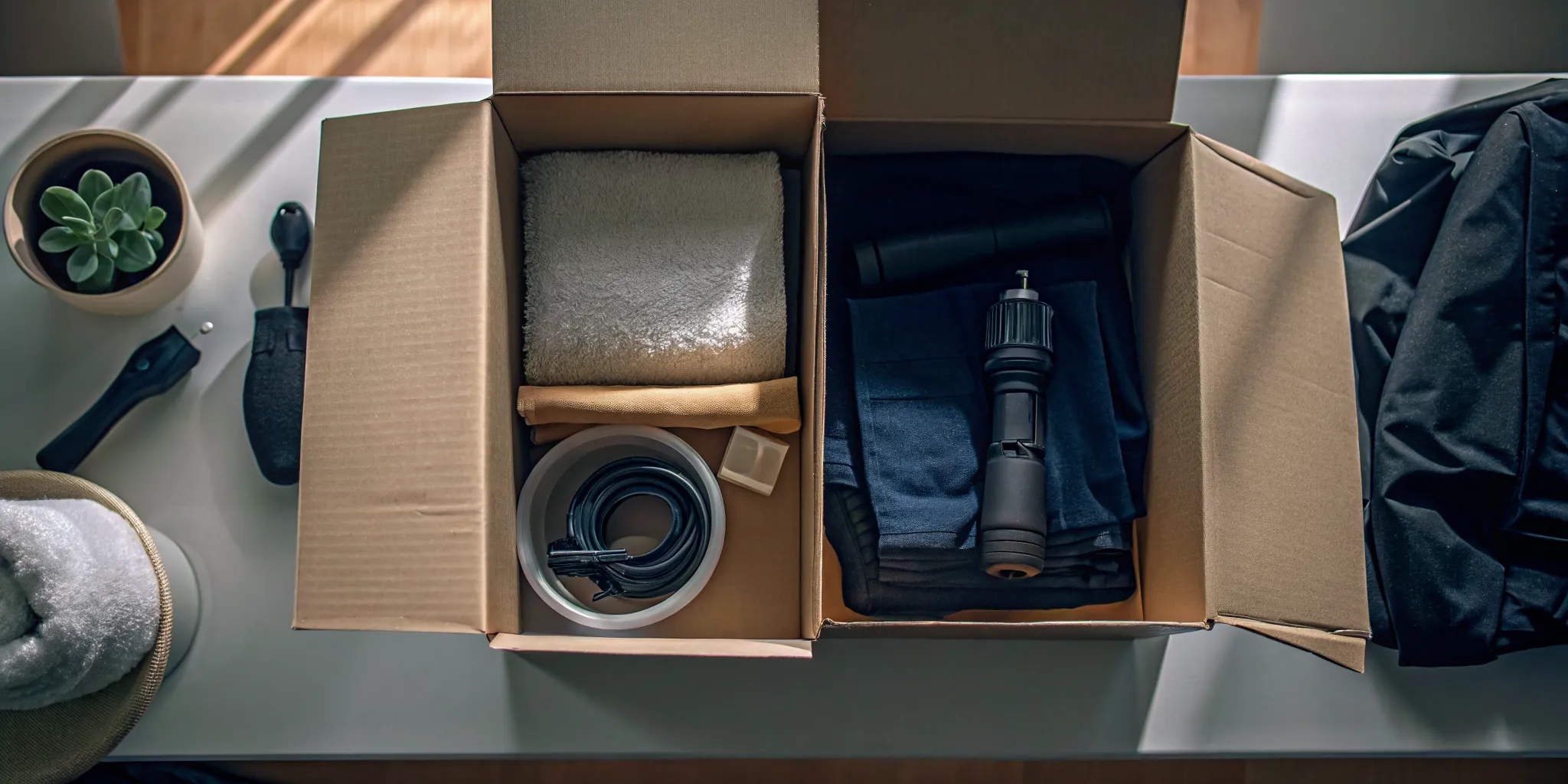
Group similar supplies in smaller pouches or sealed bags, then label those groups. A bathroom pouch, device pouch, tool pouch, and snack bag are faster to find than loose items. Wrap fragile items in a clean towel, but do not bury anything you will need immediately. Store sharp tools in a protective case and keep them away from children.
Take a photo of the packed contents before closing the bin. The image provides a quick visual inventory when someone asks whether a certain item is inside. For more ways to organize the old home and make moving day easier for the crew, review how to prepare for movers.
What Should Travel With You Instead of on the Truck?
Some belongings should remain under your direct control throughout the move. They may be difficult to replace, needed during transit, sensitive, or essential for health and safety. Put these items in a personal bag that stays with you rather than in the shared essentials bin.
Documents, medication, and personal valuables
Keep identification, passports, keys, payment cards, medical information, and move-related documents close. Include lease or closing paperwork if you may need it at arrival. Carry current prescriptions, necessary medical devices, and instructions for their use. Small sentimental items and personal electronics should also remain with their owner.
Protect sensitive papers in a closed document folder instead of leaving them loose in a box. If several adults are traveling separately, decide who is responsible for each folder, key set, medication kit, and device. Clear responsibility reduces last-minute searches and accidental loading.
Use this comparison before loading
| Item category | Keep with you | Pack with household goods |
|---|---|---|
| Documents. | Identification, keys, move paperwork. | Archived records and reference files. |
| Health. | Current medication and needed devices. | Extra unopened household supplies. |
| Clothing. | First-night outfit and sleepwear. | Seasonal and extra clothing. |
| Electronics. | Phones, laptops, chargers. | Nonessential accessories. |
| Kitchen. | Water, snacks, simple utensils. | Cookware and pantry boxes. |
| Setup. | Basic tools and box opener. | Specialty and rarely used tools. |
Before the crew arrives, place all keep-with-you bags in a closed room, locked vehicle, or another clearly designated area. Tell the moving team that those items are not part of the load. Simple communication is one of the most useful moving tips for preventing mix-ups.
First-Night and First-Morning Essentials
Your first night should focus on making the home safe, functional, and comfortable enough for rest. It is not the time to unpack every room. Prioritize bathrooms, sleeping spaces, basic food and water, device charging, and a clear walking path through the home.
Prepare the bathroom and bedrooms first
Put toilet paper, hand soap, towels, and shower supplies in a bathroom as soon as you arrive. Check that the water and lights work, then place a trash bag where everyone can find it. For bedrooms, bring sheets, pillows, and any sleep-related items into the correct rooms before opening less urgent cartons.
If bed frames require assembly, keep their hardware in labeled bags and place the bags with your tool kit. Avoid mixing screws from different pieces of furniture. A photo taken before disassembly can help you remember how each frame fits together.
Plan simple food and cleanup
Moving day meals should be easy to serve and clean up. Pack water and familiar, shelf-stable snacks, especially if family members have dietary needs. Bring simple cups, napkins, and utensils. Do not assume every appliance or cooking item will be ready the first evening.
Include just enough cleaning supplies for immediate needs: multipurpose cleaner, wipes, paper towels, and trash bags. Keep chemicals sealed and separate from food. If you are unsure about a moving-day procedure or what a professional crew may need from you, Neatly Moving & Storage provides answers in its moving FAQ.
How Should You Pack for Children and Pets?
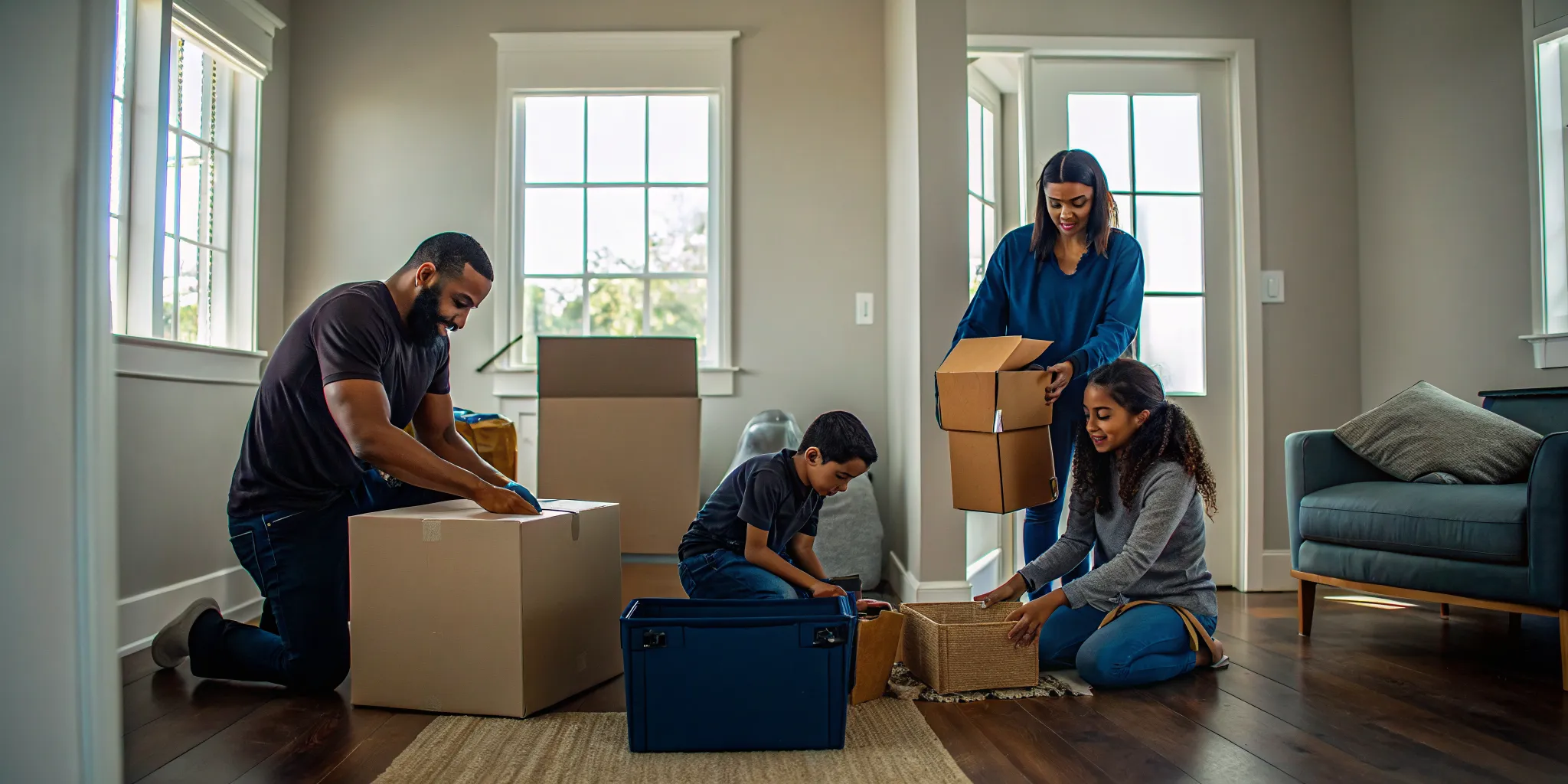
Children and pets need familiar routines, safe spaces, and direct supervision while doors are open and heavy items are moving. Their essentials should not be buried in the shared household bin. Prepare separate, clearly labeled bags so a responsible adult can reach food, comfort items, and care supplies quickly.
Moving-day kit for babies and children
Pack enough daily supplies for the trip plus a reasonable buffer. For a baby, that may include diapers, wipes, feeding supplies, spare clothing, and a portable changing pad. For an older child, include clothes, toiletries, water, snacks, and one or two familiar activities. Keep comfort items such as a favorite blanket or stuffed toy accessible rather than packed with bedroom belongings.
- Current medication and care instructions.
- Two changes of clothing and sleepwear.
- Age-appropriate snacks and drinks.
- Books, quiet games, headphones, and device chargers.
- Comfort items and bedtime supplies.
- Cleaning wipes and sealable bags for soiled clothing.
Assign one adult to supervise children during active loading and unloading. If possible, establish a quiet room away from the moving path. Confirm that exterior doors, stairways, and balconies are secure before children explore the new home.
Moving-day kit for pets
Keep pets in a secure carrier, crate, or quiet closed room while movers work. Their kit should include food, water, bowls, medication, a leash or harness, waste supplies, bedding, and a familiar toy. Keep veterinary information and identification details with your personal documents.
At arrival, inspect the new space before allowing a pet to explore. Check doors, gates, screens, and potential hiding places. Set up a calm room with food, water, and bedding, then introduce the rest of the home gradually. Maintaining familiar feeding and walking times can help reduce disruption.
When Should You Pack Your Moving Essentials Box?
Begin assembling the kit two to three days before the move. At that point, most household packing should be nearly complete, but you still have time to notice missing items. Leave out only the products you use every day, then add them on moving morning before the crew begins loading.
A simple packing timeline
- One week before: Create the inventory, choose containers, and confirm each household member’s needs.
- Two to three days before: Pack first-night linens, tools, cleaning supplies, extra clothing, snacks, and pet or child kits.
- The night before: Charge devices and power banks, organize documents, and verify keys and arrival details.
- Moving morning: Add toothbrushes, chargers, daily medication, and other frequently used items.
- Before loading: Move the essentials box and personal bags into your vehicle or designated no-load area.
- Before departure: Review the inventory and walk through the old home one final time.
Adjust the kit to the move
For a local Southern California move, a first-night kit may be enough because your household goods generally travel on a shorter timeline. Still, plan for traffic, a late finish, and a tired household. Pack what you need to remain comfortable if full unpacking waits until the next day.
For a longer trip, extend personal bags to cover travel days and a reasonable delay. Bring additional clothing, medication, device power options, child supplies, and pet food as appropriate. Keep travel confirmations and destination details with your documents.
A professional Southern California moving company can also help coordinate the broader transition. Neatly Moving & Storage provides local and long-distance moving, custom storage, and junk removal, with estimate options that include in-home and virtual consultations. Its transparent flat-rate pricing model helps customers understand the planned move before moving day.
Complete a final arrival check
Before the move, confirm how you will enter the new home and where vehicles can safely stop. Keep destination keys, gate instructions, parking details, and the responsible contact’s phone number with your personal documents. If household members are traveling separately, share the arrival plan so nobody depends on information stored on another person’s phone.
When you reach the new home, walk through it before unloading begins. Identify the main entrance, clear obstacles, and decide where the essentials kit will sit. Choose a location away from the unloading path but close enough for easy access. Show everyone where the bin, personal bags, medications, and document folder are located.
After unloading, use your inventory to confirm that every essentials bag is present. Set up a charging area, place cleaning and bathroom supplies where needed, and return tools to the shared bin after use. Once beds and bathrooms are ready, review the next morning’s needs before resting. Set out clothing, confirm travel or work plans, and make sure keys and charged phones are easy to find. This brief reset prevents the first morning from becoming another search through sealed boxes.
Discuss the details of your long-distance move with Neatly Moving & Storage.
FAQs About Your Moving Essentials Box
What is a moving essentials box?
A moving essentials box is a clearly labeled container or group of personal bags that holds the supplies you need during moving day and the first 24 to 48 hours in your new home. It stays with you instead of being packed among the main household boxes.
How many moving essentials boxes should I pack?
Most households benefit from one shared home essentials bin plus one personal overnight bag for each person. Families with babies, pets, medical needs, or a longer trip may need separate clearly labeled kits.
Should the moving essentials box go on the moving truck?
Keep the moving essentials box in your personal vehicle whenever possible. If it must travel on the moving truck, tell the crew and arrange for it to be loaded last so it can be unloaded first.
When should I pack my moving essentials box?
Start assembling it two to three days before moving day. Add frequently used items such as chargers, toothbrushes, and current medications on the morning of the move, then check the inventory before loading begins.
A thoughtfully packed essentials kit will not unpack the new home for you, but it will make the busiest hours safer, calmer, and easier to manage. Keep it visible, keep it with you, and use it to focus on the few things your household truly needs first.
Start planning your next local move with Neatly Moving & Storage.


