

Moving in the Rain: How to Protect Your Home and Belongings
Unexpected rainfall during a local move can soften cardboard boxes, leave slick entryways, and expose furniture to moisture. A weather-ready plan protects your belongings and both homes while keeping the crew’s route short and organized.
Request a flat-rate moving quote from Neatly Moving & Storage before your rainy-day move.
Moving in the rain requires a mix of waterproof packing supplies, planned loading methods, and careful floor protection to keep your home clean and safe. Expert crews like those at Neatly Moving & Storage recommend wrapping large furniture in plastic wrap or heavy tarps instead of cloth blankets. They note that most moving companies will continue to operate during light rain but may require rescheduling for extreme weather conditions. You can further shield your home by using short-term barriers and non-slip mats while cutting the loading distance to minimize moisture contact. These steps ensure that your items stay dry and your move remains on track despite the Southern California winter weather.
Managing a rainy move requires more than a few extra towels. You need a plan that covers packing, floor protection, loading, and clear go-or-reschedule decisions. The first step is to review the forecast with Neatly Moving & Storage and prepare a dry, obstacle-free route between the home and truck.
Moving in the rain starts with a weather-ready plan
Start by checking the hourly forecast, confirming the plan with Neatly Moving & Storage, and staging waterproof supplies before the truck arrives.
Southern California is famous for its sun. But moving during Southern California winters can bring wet days. A sudden storm can make a move feel hard. You can keep your items safe and dry with a clear plan. Being ready helps you avoid stress when the clouds roll in. Most people do not think about rain until they see it. By then, it may be too late to buy the right tools. A good plan starts days before the truck arrives at your door.
Should you move during a storm?
Most teams can work in light rain. But big storms may cause a delay. Safety must come first for you and the crew. Floods are the most common disaster in our country. If the wind is too high or the rain is too heavy, you might need to pick a new date. Heavy rain can make it hard to see and drive a large truck. Check with your team to see if moving in inclement weather is safe for your area. It is better to wait a day than to risk your goods or your health.
Your team will help you decide if the move can go on. They know how to handle light rain with ease. But they also know when a storm is too big to manage. A fast call to your move team can save a lot of trouble. They can give you facts on how they keep items dry during the trip. That check-in confirms who will monitor conditions, which route the crew will use, and what weather threshold would trigger a delay.
A plan for wet days
Prep is the key to a smooth move. You should start your plan a few days before you leave. This helps you get everything you need to keep your home and goods dry. You will want to have a list of tasks for the day. This keeps the crew moving fast so items stay in the rain for a short time. Shortening the walk from the house to the truck is a great way to save your boxes from the wet ground.
- Watch the local news for weather updates. Knowing when the rain will hit helps you time the loading of the truck. You can try to load the heavy items when the sky is clear.
- Talk to your movers early. Ask about their plan for rain and how they protect your large items. Trained crews have tools to keep water off your wood and cloth goods.
- Get more packing items. You will need extra tape, plastic wrap, and heavy-duty bags to shield your boxes. Moisture can make cardboard soft and weak if it gets too wet.
- Clear the path to the truck. Make sure there are no puddles or mud in the way where people will walk. You can use old towels or mats to soak up the water at the door.
- Check for slippery floors. Rain makes ramps and paths slick, so stay alert as you move items. Make sure everyone wears shoes with a good grip to avoid a fall.
Talking with your moving crew
Talking to your team is vital. Let them know if your driveway is steep or if you have a long walk to the door. This helps them bring the right tools to keep things safe. A good crew will work with you to make the day go well even if it is wet. They can set up a “dry zone” near the truck to keep things safe as they load. This means less time for the items to be out in the open air.
Your team can also help with a virtual check of your home before the day. This helps them see any spots that might get muddy or slick. Good prep means no surprises for you or the movers. When everyone knows the plan, the move feels calm. Even a wet day can be a success with the right team by your side. You can focus on your new home while the pros handle the rain.
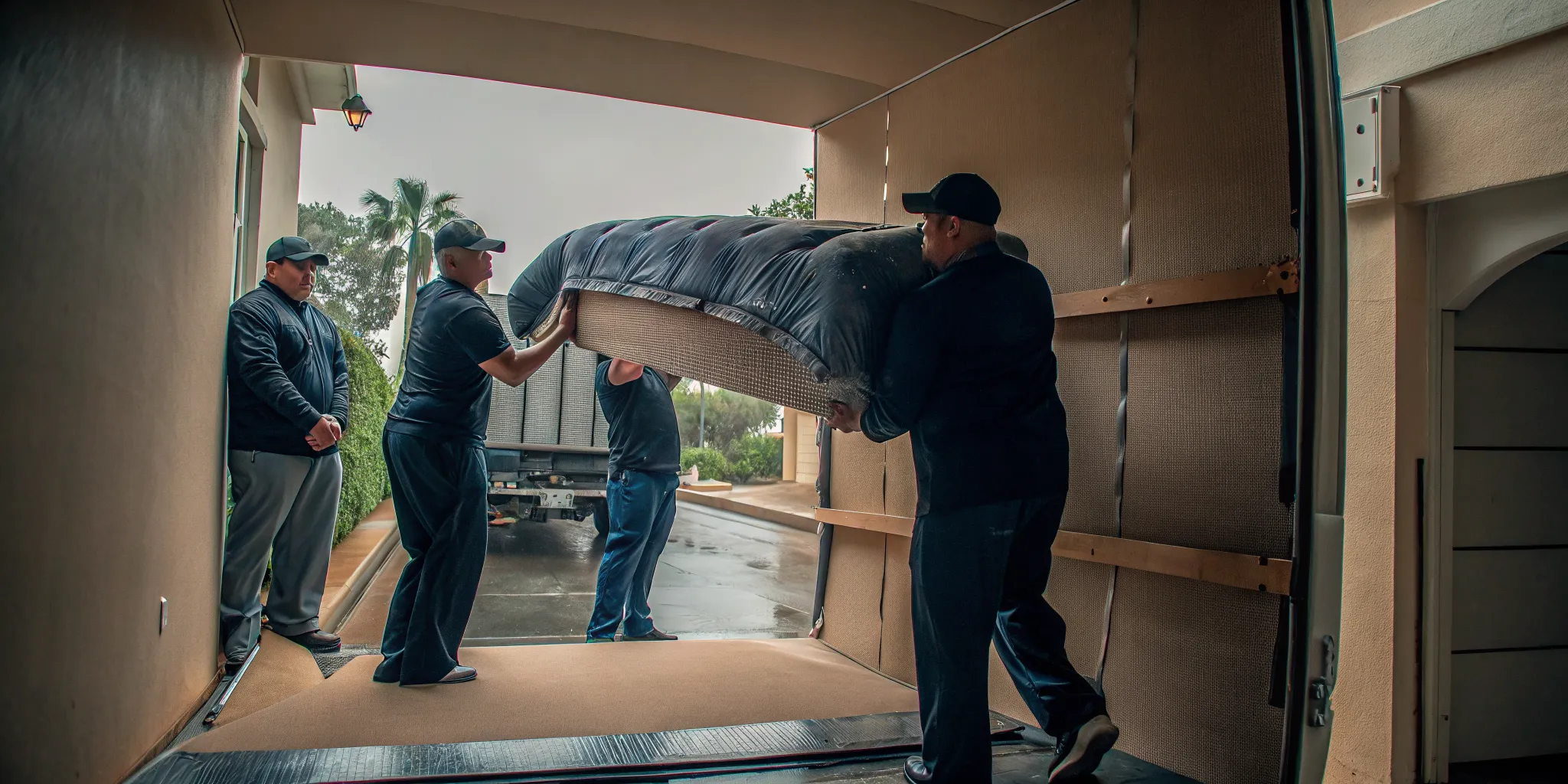
How do you weatherproof belongings for a rainy move?
Use a water-resistant outer layer over protective padding, seal every box seam, and keep electronics bagged until they reach a dry room.
Moving in the rain takes extra care to keep your goods dry and safe. In Southern California, wet weather can start fast and catch people off guard. You must plan for the damp air before the truck doors open. Using the right tools for weatherproofing will help you avoid water damage and stress. It is often best to work with a team that knows how to handle moving in bad weather.
Guarding furniture and mattresses
Large items like mattresses and fabric sofas act like big sponges when it is wet out. You should never use fabric moving blankets on their own during a rainy move. They will soak up the water and trap it against your goods. Instead, wrap these items in heavy-duty plastic stretch wrap or thick tarps. Make sure the plastic covers every side to keep out the damp air and road spray.
Neatly Moving & Storage crews use plastic covers and floor mats to keep your home clean and dry. When you are protecting your home during the move, focus on the path to the truck. This prevents mud from getting onto your items or your floors. Wood furniture needs a soft layer under the plastic to prevent scratches. Wrap your wood pieces in a clean cloth or paper pad first. Then, wrap the plastic over the cloth. This keeps the wood from touching the wet plastic directly and helps the air stay dry.
Protecting boxes and paper goods
Cardboard boxes can get soft and break if they get wet. You should use high-quality packing tape to seal all the seams of every box. It is a good idea to put an extra layer of tape on the bottom of the box for more strength. For very sensitive items like old books, you should use plastic bins or line your boxes with large garbage bags. This step is key for keeping your belongings dry and safe during the trip.
Keep your most vital papers in a separate place. You should store vital documents in a waterproof container to protect them from any leaks or spills. This is a smart way to keep your records safe in case of a flood or a bad storm. You should also keep a small box of essentials like towels and dry clothes near the front of the truck. This helps you dry off quickly once you reach your new home.
Handling electronics and dampness
Electronics are very sensitive to humidity and water. You should wrap your TVs and computers in anti-static bubble wrap and then place them inside a plastic bag. Seal the bag with tape before you put it in a box. This double layer of protection keeps the wet air away from the circuits. If you can, keep smaller electronics in the cab of the moving truck where it is warmer and drier.
Once your items reach your new home, you must work fast to stop mold. Remove all plastic wrap from your goods as soon as they are inside. Trapping wet air inside a sealed cover can lead to mold or mildew growth in just a few days. You can also use fans to help dry out the air in your new space. It is a good idea to check every box for damp spots as you bring them in. If a box is wet, unpack it right away to let the items air out.
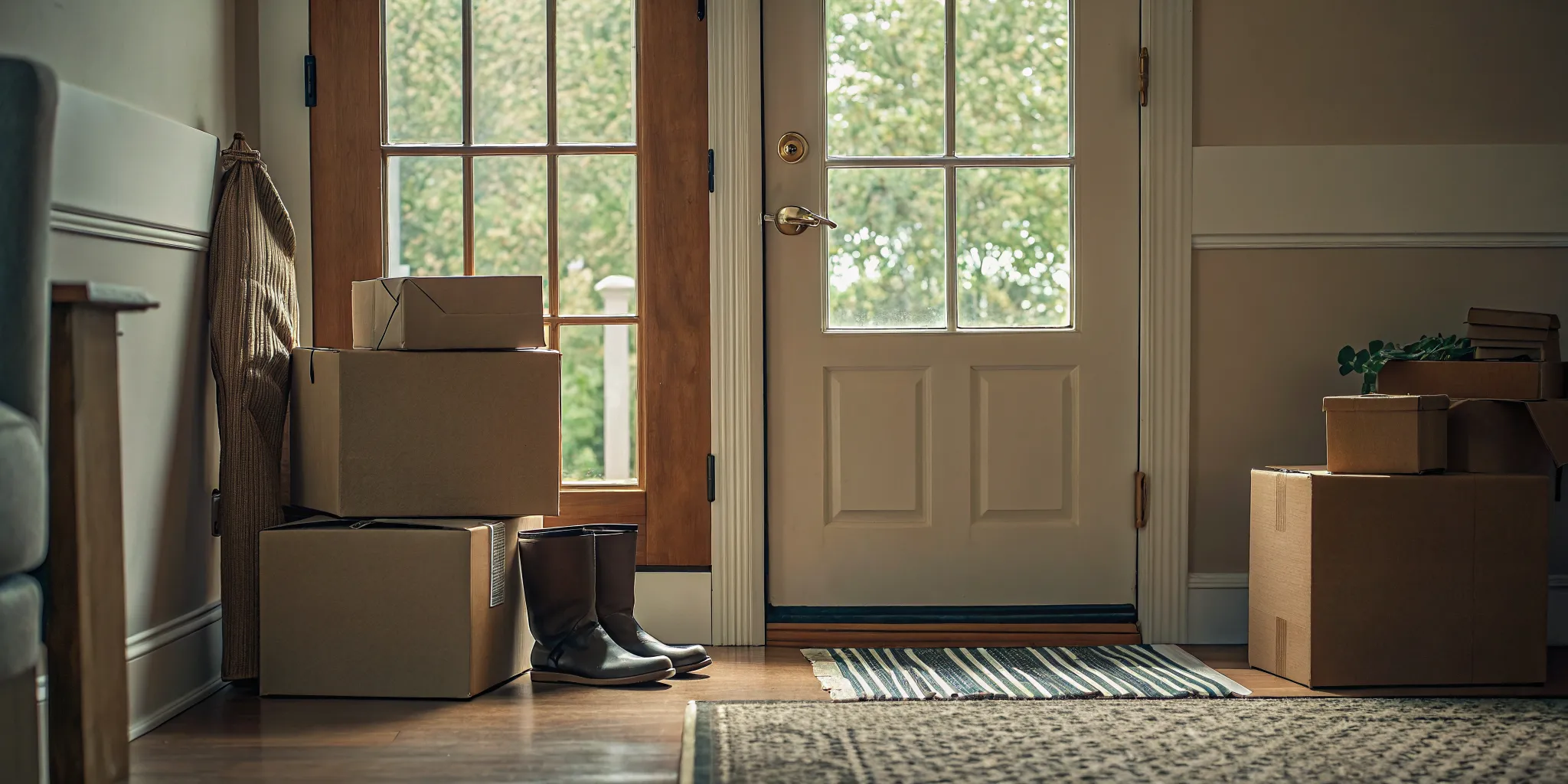
Protect floors and entryways before the first load
Cover the full walking path with secured, nonslip protection and assign a dry staging area just inside the door.
When you are moving in the rain, your home’s entry points face the most risk. Tracking in mud and water can ruin hardwood or carpet in minutes. You should set up floor protection in all high-traffic areas to keep your home clean. This step is a key part of protecting your home during the move. Start by clearing any debris from the path between the truck and the door.
Safety on wet surfaces
Rain makes walkways and ramps very slick. You should be aware that rain can lead to slippery surfaces, which increases safety risks for everyone involved. To help with this, you can use temporary weather barriers like door tarps or heavy mats at every entrance. The Environmental Protection Agency suggests using these barriers to keep water from entering a home. These tools give movers a dry spot to wipe their feet before they step inside with your heavy items.
Floor covering options
Plastic runners and thick towels are great for shielding your floors. Neatly Moving & Storage experts recommend using floor protection in high-traffic spots to prevent damage from tracked-in mud. If you have stairs, make sure the coverings are taped down well so they do not slide. You can also ask about moving in inclement weather during your initial estimate. Proper coverings will catch moisture and dirt before it hits your clean floors.
Protecting walls and thresholds
Wet boxes can become soft and heavy, making them harder to hold. This increases the chance of bumps against your walls or door frames. You can use cardboard or corner guards to shield these areas. Keeping a clear “dry zone” just inside the door allows for a smooth hand-off between crews. This setup helps move items faster while keeping the rest of the house dry. Planning these zones is much easier when you have a professional team managing the move for you.
Load the moving truck safely and efficiently
Park as close as safely possible, create a handoff line, and keep the truck interior dry so each item spends minimal time in the rain.
Moving in the rain means you need a clear plan to keep your goods dry. You should aim to lower the time your items spend in the wet air. This helps stop water damage and keeps your move on track. A fast, smart load keeps your boxes safe and your home clean. You must think about how to move items from the house to the truck with as little rain as possible. Planning the path ahead of time can save you from a lot of stress.
Short paths to the truck
The best way to protect your gear is to cut down its time in the rain. Try to park the truck as close to your front door as you can. This reduces the time your boxes and chairs stay out in the storm. You can also use short-term covers like tarps to make a dry path. These covers help stop rain from hitting your things as you walk. The EPA says tarps can help keep rain from getting into your home during a move. You might also think about these tips:
- Pull the truck ramp under a porch or carport if you have one.
- Use a pop-up tent to cover the gap between the house and the truck.
- Lay down old rugs or mats to catch water before it gets in the truck.
Team handoff methods
Instead of having one person walk the whole way, use a team chain. One person stays in the house, one walks to the ramp, and one stays in the truck. This keeps the work moving fast and stops mud from getting deep into your home. The person in the truck should manage items as they come in to help local moves stay neat. Having an expert crew handle this staging makes the process much smoother. They can pass items from hand to hand to keep the flow steady.
This method also lets you keep the truck door closed most of the time. The person inside can call for the next item and then shut the door once it is in. This stops rain from blowing into the truck bed. The person inside the truck acts as the stacker. They take the wet items and place them in the back where it is driest. They can also use towels to wipe down any water that drips on the floor. A dry truck floor is key to a safe move and keeps boxes from getting soft.
Safety on wet surfaces
Rain makes ramps and paths very slick. You must be careful when you carry heavy loads. Wet floors in Southern California can lead to falls if you are not careful. Use mats at both ends of the ramp to help with grip. Wearing shoes with rubber soles can also help you stay upright. You should never run or rush while carrying boxes in the rain. Slow and steady steps are the best way to move when it is wet outside.
Poor light can also make a rainy move hard. If it is dark and wet, use bright lights to see the path. This helps you avoid puddles and mud. Keeping the area well-lit is a simple way to stay safe. If the rain gets too hard, you may need to wait. Most expert crews will work in light rain but may stop for a big storm. You can check with your team about a long-distance quote if you need to plan for a move across the state. They can help you find the best time to move based on the weather.
When should you reschedule a move because of rain?
Discuss rescheduling when flooding, dangerous winds, lightning, poor visibility, or unsafe access makes carrying or driving hazardous.
Most moving companies will continue to work during light rain. You do not always need to stop your plans just because of a few drops. But heavy storms or floods can make moving in the rain unsafe for you and your goods. It is best to look at the report early and talk with your team to pick the best path. Knowing when to wait can save you much stress and cash.
Checking the weather report
You should start checking the local weather about a week before your move date. In Southern California, rain can cause slick walkways and ramps. This can lead to falls or dropped boxes. If the report shows a high chance of heavy rain, you may want to move your date. This is very true if the weather could lead to flash floods. Floods are the most common disaster in the country and can happen very fast. Staying safe is the most vital part of any move. You should also watch for high winds that can blow items out of your hands.
Rain can also make it hard for a large truck to reach your home. Muddy hills or flooded streets can block the path of the crew. If your new home has a steep dirt drive, rain might make it too soft for a heavy truck. In these cases, it is much safer to pick a new day for your move. You do not want a truck to get stuck or slide on a hill. Looking at the access points at both homes will help you pick the best time to move. A quick walk around the yard can show you where water pools or where the ground is too soft.
Guarding against water damage
Heavy rain can ruin wood furniture and paper boxes. Water can also get trapped in boxes and lead to mold later on. If you cannot keep your items dry during the move, you should wait for a better day. Our team at Neatly Moving & Storage helps with local moves by using plastic wrap and tarps to block out rain. But if the rain is too hard, even tarps might not be enough to protect your things. If you need a safe place for your items until the rain stops, you can look at our storage services. Dry items are much easier to unpack and set up in your new home.
| Weather Type | Risk Level | Our Advice |
|---|---|---|
| Light Drizzle | Low | Move as planned with extra plastic wrap. |
| Heavy Rain | Medium | Check for floods and wait for a break in the clouds. |
| High Winds | High | Reschedule to avoid flying debris and truck risks. |
| Flash Floods | Extreme | Stop the move and stay safe at home. |
Talking to your moving crew
Clear talk with your moving crew is key when it rains. Ask them how they handle wet weather before the big day. They can tell you if they think it is safe to load the truck. Most experts want to help you get into your new home, but they also want to keep your items safe. If you need to change your date, do it as soon as you can. Many firms offer flexible dates if the weather is too bad. Working with your team helps you stay calm and makes the move go well. They can also help you find the best time of day to avoid the worst of the rain.
What should you do after unloading in wet weather?
Remove wet outer coverings in a dry staging area, wipe surfaces, inspect boxes, and increase airflow before putting items away.
Once you finish moving in the rain, your first task is to protect your new home from dampness. Water can cause hidden issues if it sits too long on your floors or items. Start by clearing away any wet floor covers and wiping up puddles right away. You do not want water to soak into your new wood floors or carpets.
Dealing with the results of a wet move takes some extra work. But taking these steps now will save you from bigger problems like mold later. Keep a few dry towels on hand as you start to go through your things.
Unwrap your large items
You must remove plastic wrap from your furniture as soon as it is inside. While plastic helps during local moves in the rain, it can trap moisture against wood or fabric once the move ends. This trapped wetness often leads to mold or mildew growth in just a few days. If you leave items wrapped, the moisture has nowhere to go.
Wipe down any hard surfaces with a dry cloth after you take off the wrap. Check for damp spots on chair seats or mattresses. If you find wet fabric, set up a fan to blow air straight on the area to help it dry fast. Wood furniture is prone to water spots, so drying it quickly is key to keeping it in good shape.
Control the air and moisture
Wet weather can make the air inside your house damp. High moisture levels can damage paper and cloth over time. You should use your air conditioner or a machine that dries the air to pull water out of the room. This step is a key part of protecting your home during the move and the hours that follow.
Open windows for a short time if the rain stops and the air outside feels dry. Use floor fans in rooms where you have stacked many boxes. Good air flow helps stop the musty smell that often comes with rainy days. You want to keep the air moving to make sure every corner of the room stays dry.
Check for water damage
Go through your boxes to find any that look soggy or soft. Cardboard loses its strength when wet, so move these items to a dry spot before the bottom gives out. Open these priority boxes first to see if the goods inside stayed dry. Items like books and paper are very at risk if they get even a little bit wet.
If you see any damage to your goods, take clear photos of the items and the wet boxes. This record is key if you need to file a claim later. The Environmental Protection Agency suggests fixing damp issues quickly to stop mold from starting in your new space. Recording the state of your items right away helps make sure you have proof of any loss caused by the storm.
Frequently Asked Questions
Light rain is usually manageable with the right preparation, but safety and waterproof protection should guide every decision.
Do moving companies move in the rain?
Most expert teams will keep working if there is only light rain. As stated by Neatly Moving and Storage, crews often stay on track during minor storms but may need to change plans for extreme weather. Heavy rain or floods can make it unsafe to carry large items or drive a heavy truck. It is best to stay in touch with your movers as your date gets closer to see if the plan needs to change.
What are the best shoes to wear for moving in the rain?
Staying safe is vital when you walk on wet and slick ground. You should wear shoes with rubber soles and deep treads to keep a good grip. The National Safety Council notes that the right shoes help prevent slips and falls on wet driveways or ramps. Avoid wearing leather-soled shoes or flip-flops, as these can be very risky when they get wet. Strong boots or sneakers with good traction are the best choice.
Can I use moving blankets in the rain?
You should not use fabric moving blankets alone during a rainy move. These blankets are made of cloth and will soak up water like a sponge. This can trap damp air against your furniture and cause damage or mold. As noted by Neatly Moving and Storage, you must use plastic covers or tarps over your blankets to keep them dry. This double layer keeps your items safe from both scratches and the wet weather.
What supplies do I need for moving in the rain?
Good planning is the key to a smooth move in wet weather. You will need plenty of plastic stretch wrap, heavy-duty tarps, and extra rolls of packing tape. It is also wise to have a stack of old towels and large floor mats ready at each door. These items help you dry off and keep mud out of your new home. You might also want to get plastic bins for your most fragile items to keep them dry.
Ready to book your move with a rain-ready Southern California team?
Moving in the rain without expert help risks water damage to your best goods and slips on wet paths that can lead to falls. Each day you wait to set a date, your top time slot may fill up during the busy rainy season in Southern California. Booking now ensures a pro crew will arrive with tools to keep your items dry and provides a flat-rate price with no fees. This lets you plan your budget with no stress while our team handles the wet weather and gets you settled into your house. You can also check our checklist for protecting your home to stay ready for any weather.
Ready to book? Call +1 (914) 497-7955 to request a moving quote.


