

Moving across Southern California creates significant stress for household pets. Los Angeles County alone is home to over three million dogs and cats that require careful handling. This guide provides the steps to keep your animals safe.
Moving with pets Southern California involves arranging veterinary care, safe transport, and pet-friendly housing to ensure animal safety during every stage of the relocation process. You must get updated shots and health papers for interstate moves, and you should keep your animals in a quiet room during the entire moving day. Updating microchip data and ID tags before the moving truck arrives is vital for finding your pet if they ever get lost. Veterinary experts suggest keeping a steady feeding and walk schedule to help your animals feel safe and secure during this major life transition. Planning for local traffic and high heat helps you keep your dogs and cats healthy as they settle into their new home.
Your journey to a stress-free move starts long before you complete your moving day preparation checklist. You must ensure your animals are medically cleared for the transition. The most important initial step involves Pre-Move Vet Visits and Health Certificates. The path begins with
Moving With Pets Southern California: Pre-Move Vet Visits and Health Certificates
A smooth move starts long before the truck arrives at your door. When you are moving with pets in Southern California, your first call should be to your vet. You should plan this visit four to eight weeks before your move date. This early window gives you enough time to handle shots and paperwork without last-minute stress. During this visit, you can also ask about travel tips if your pet gets nervous in the car.
Check health certificates and laws
California has strict rules for pets that cross state lines. If you are moving to a new state, you must get a health form from your vet. You can find these rules on the California Department of Food and Agriculture website. This form proves your pet is healthy and has all needed shots. Most states need this check to happen within ten days of your trip. Keep the paper copy in your car so you can show it if anyone asks at the border.
Update microchips and records
Your pet needs a way to get home if they get lost during the move. Check your pet’s microchip and update it with your new Southern California address and phone number. This step is key because many pets slip out of open doors on moving day. You should also get a digital copy of all medical records. This makes it easy to share your pet’s history with a new vet in your new town. The American Veterinary Medical Association notes that chips help lost pets find their owners.
Refill meds and supplies
Moving can slow down your usual errands for a week or more. Make sure you have enough food and medicine to last at least two weeks at the new house. Ask your vet for more daily meds or flea pills. You might also want to ask about sprays or treats to help your pet feel safe. Having these items ready means you will not have to hunt for a pet store while you unpack boxes. You can see how this fits into your full moving timeline to stay on track.
How to Reduce Pet Anxiety on Moving Day
Moving day is often the most stressful part of the process for your pets. The noise of tape, heavy boxes, and new people in the home can cause fear. To keep your pet calm, keep their daily schedule the same. Feed them, walk them, and play with them at the usual times. This routine gives them a sense of safety when their home starts to change.
Create a quiet safe room
On the big day, set up a quiet safe room for your pets away from the action. This room should have a closed door to keep out noise and stop pets from running out open doors. Place their bed, toys, and blankets inside. Keeping these items nearby helps reduce stress because they carry the scent of home. You can find more tips on managing your day in our moving day checklist.
Use calming aids and tools
Some pets need extra help to stay relaxed during a move. You might use calming treats or anxiety wraps to help your cat or dog feel more secure. It also helps to bring moving boxes into your home slowly over a few weeks. This lets your pet sniff the boxes and get used to them before you start packing. Experts at the Mayo Clinic say that a predictable space is a key way to manage stress.
Choose pet friendly options
One way to reduce stress is to limit the number of new people in your home. Neatly Moving & Storage offers virtual and Zoom estimates for your move. This means you do not have to invite a person inside. This is great for pets that get nervous around new people. Neatly Moving understands the challenges of relocating with animals and offers services designed to reduce stress for your entire household. By using a direct moving company vs broker, you work with a team that knows how to handle your specific needs.
Safe Transport: Driving vs Flying With Your Pet
Picking the best way to move your pet is a key part of any move. When moving with pets Southern California families can drive their own car or book a flight. Both ways have pros and cons for your pets. When you plan a long-distance move from California, the miles often decide the best choice. Your goal is to keep your pet calm and safe on the trip.
Safe driving tips
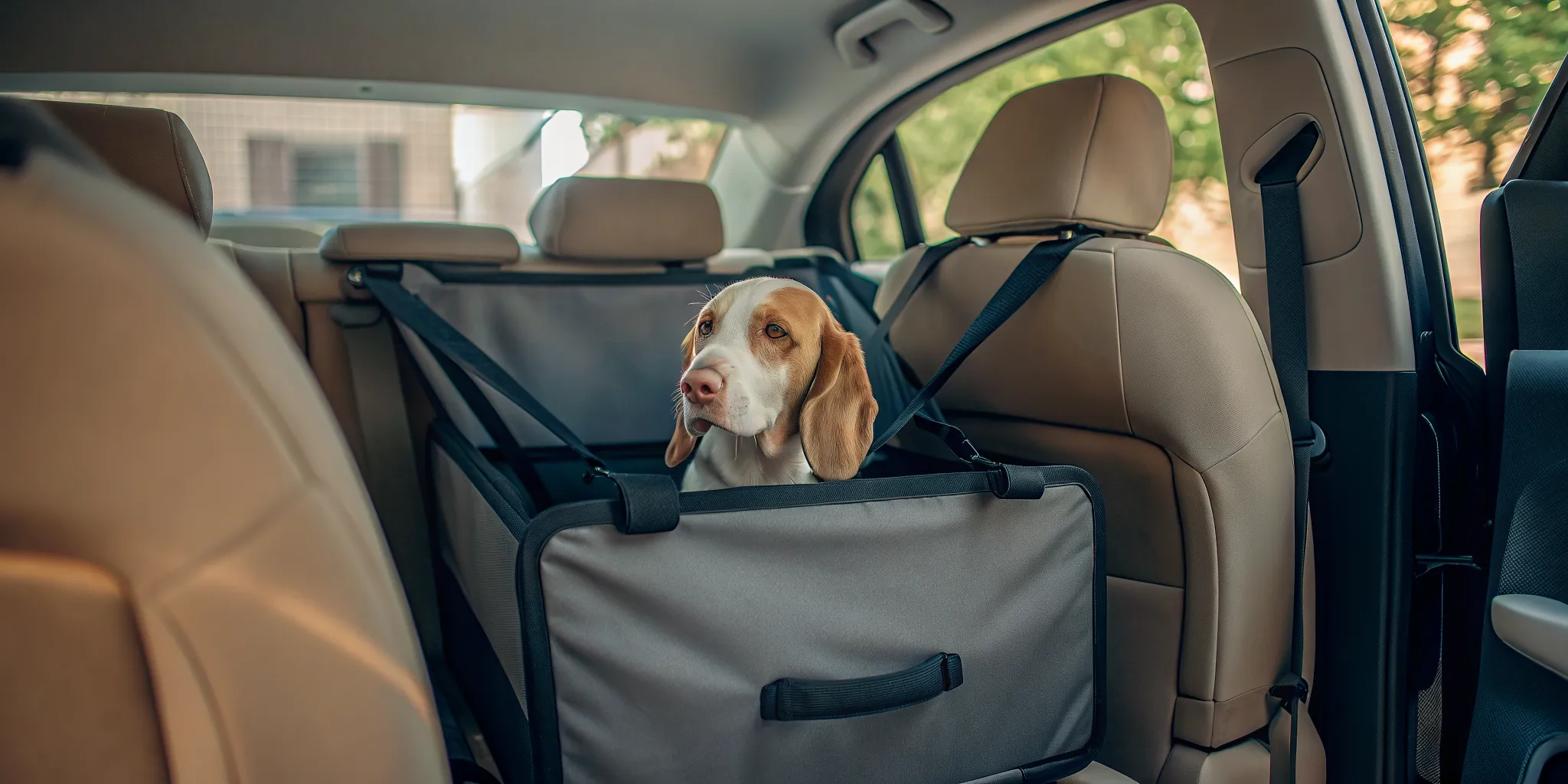
Driving lets you control the space around your pet. You must use a crash-tested crate or a safety belt for every dog or cat in the car. Never let your pet roam free while you drive. It is best to keep them in the back seat to stay away from air bags. Bring a loved toy or blanket to help your pet feel at home. Smells from home can reduce stress during the drive.
For long road trips, plan to stop every two or three hours. These breaks give dogs a chance to drink water and use the potty. Cats need special care on the road too. You can put a small litter box on the car floor for them to use at rest stops. It is wise to line all crates with potty pads and towels. This helps if your pet has a mess or feels sick from the car ride.
Air travel rules
Flying with a pet needs good planning weeks before you leave. Most airlines have strict rules for pet crates and breed types. You should book non-peak, early morning flights to avoid the heat. This is vital when you fly out of big hubs like LAX, Ontario (ONT), or John Wayne (SNA). Cooler morning air is much safer for pets that must ride in the cargo area.
Always call your airline at least 48 hours before your trip. Ask about their current fees and any health rules. You will likely need health papers from your vet. The California Department of Food and Agriculture requires these papers for many pets that move into the state. Having the right records ready helps ensure a smooth interstate moving delivery. This step is a key part of your travel plan.
How to handle the heat
Heat is a major risk for pets in Southern California. On a road trip, you should never leave your pet in a parked car. Even with the windows cracked, the car can get too hot in minutes. This can lead to heat stroke or death for your pet. When flying, the tarmac can also be very hot. This is why morning flights are the best choice. They help keep your pet cool while they wait to board the plane.
| Feature | Driving | Flying |
|---|---|---|
| Control | You set the pace and stops. | The airline sets the times. |
| Safety Gear | Harnesses or crates. | Airline-approved crates. |
| Health Records | Needed for some state lines. | Always needed for air travel. |
| Cost | Fuel and pet-friendly hotels. | Ticket fees and crate costs. |
| Heat Risk | High risk in parked cars. | High risk on the tarmac. |
How Do You Find Pet-Friendly Housing in Southern California?
Finding pet-friendly housing in Southern California takes time and a clear plan. Many Los Angeles apartments and condos have strict pet size and breed rules that can limit your choices. High demand for rentals means landlords can be picky about the pets they allow. You should start your search at least two months before you move. This gives you time to find a place that fits your whole family.
Check local rules and fees
Most rentals in Orange County and Ventura need a pet deposit or monthly pet rent. You must get these rules in writing before you sign a lease or buy a home. Some HOAs in Irvine and Santa Monica have weight limits for dogs. Check the fine print to make sure your pet can go in shared areas or elevators. You should also check if there are limits on how many pets you can have.
It is helpful to make a pet resume for landlords. This can show vet files, proof of training, and a photo of your pet. This step shows you are a good owner and helps you stand out. If you need help with the move, you can find pet-friendly movers who know how to work in tight apartment halls and busy streets.
Look for nearby perks
A pet-friendly home is about more than just the house. You should ask about nearby dog spots and pet perks like parks or trails. Places like West Hollywood and Pasadena are easy to walk in and have many green spots. Access to a dog park can help your pet feel at home in their new spot. Short walks in the new area help them learn their new home fast.
When you see a new home, check for safe fences and doors. Some new buildings have pet washes or roof runs for dogs. These perks make life easier for pet owners. Proper care keeps your pet safe while you finish packing fragile items for a long-distance move. Picking a spot with the right perks will help the move go well for all.
How Does the 3-3-3 Rule Help Pets Settle Into a New Home?
Moving to a new home in SoCal is a big change for you and your pets. While you may be ready to unpack, your dog or cat needs time to adjust to the new space. Many pet experts suggest using the 3-3-3 rule to guide this change. This rule breaks the process into three parts. These include three days of rest, three weeks of learning, and three months of feeling at home. Following this plan helps your pet feel safe as they learn the layout of their new home.
The first three days of rest
The first few days in a new house can be loud and scary for a pet. They may feel stressed by new smells and sounds. During this time, it is best to let them rest and relax. You should set up their bed, bowls, and toys before you let them explore the house. Having items that smell like their old home can help them feel more at ease. It is a good idea to use your packing and planning checklist to ensure these items are easy to find when you arrive.
Try to limit their space at first. You can let them explore one room at a time instead of giving them full access to the whole house. This room-by-room approach prevents them from feeling lost or scared. If you moved from another state, you should also check local rules for pet owners. The California Department of Public Health needs health records for pets coming into the state. Keeping these papers ready helps you stay on track with local laws as you settle in.
Setting a new routine
After about three weeks, your pet will start to learn the daily flow of your new life. This is the time to set a firm routine for food, walks, and play. A steady plan is the best way to reduce stress for a nervous pet. For dogs, you should start with short walks around the new block. These trips help them find new spots to use the bathroom and learn the area. It also helps them get used to the heat and sun common in Southern California.
You should also take a few minutes to update your pet’s contact info. Make sure to put your new address on their ID tags and microchip records right away. If your pet gets out while they are still learning the area, having the right address on their tag is vital. You can also look for a new vet in your area during these first few weeks. Having a local doctor ready for checkups or shots gives you peace of mind as you build your new life.
Building long-term comfort
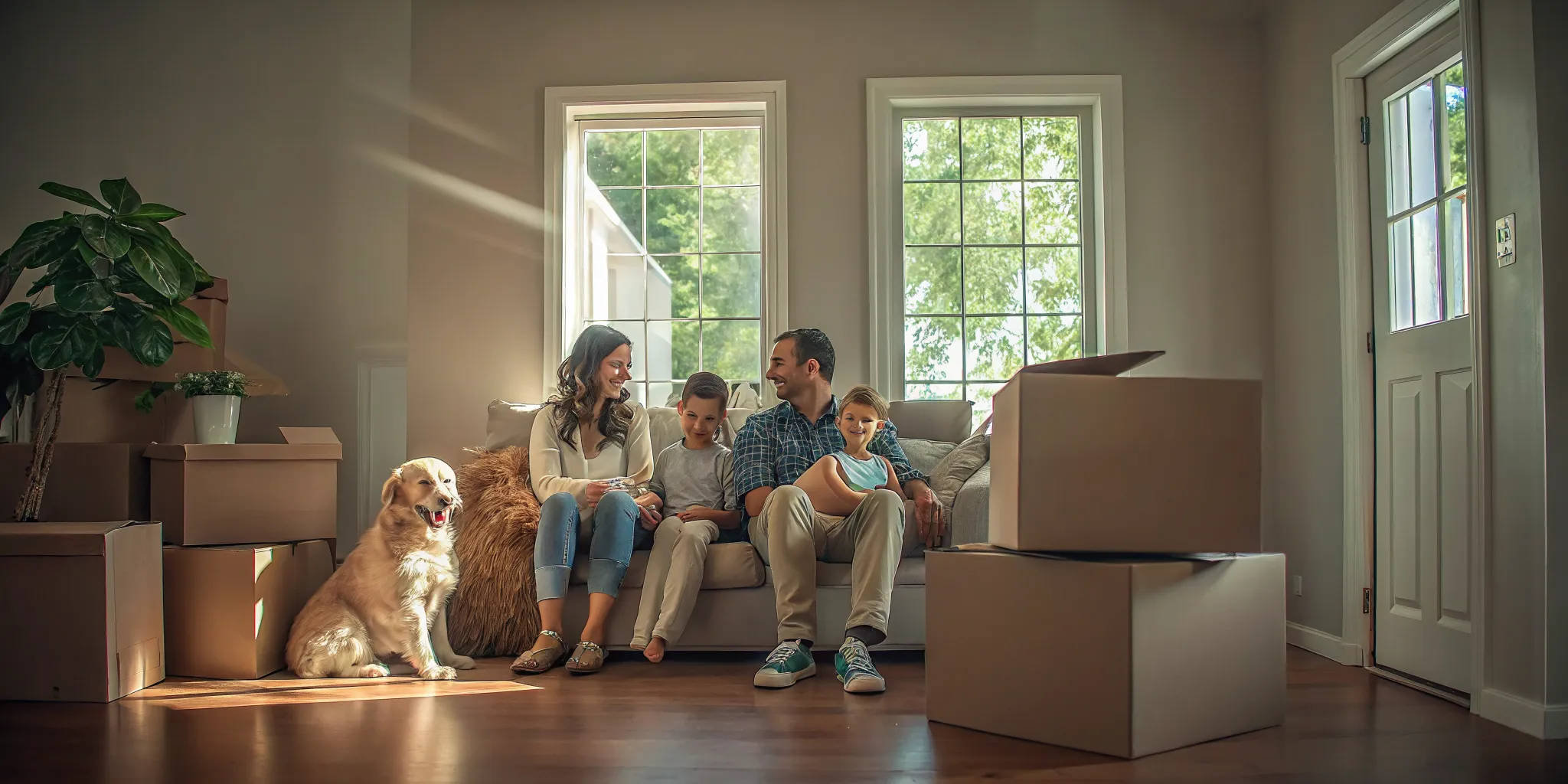
By the time three months have passed, most pets will feel like they truly belong in their new home. They will know their favorite nap spots and feel safe in their home. You may see their true self come back as they build trust with you in the new space. Continue to offer praise and treats as they hit these milestones. A smooth move for your pet leads to a happier home for everyone in the family.
Essential Moving With Pets Checklist: Timeline and Tasks
Four Weeks Before Moving Day
Start your moving timeline early to give your pet the best possible experience. The first step is scheduling a complete vet visit. This visit should happen four to eight weeks before your move date to allow time for vaccinations, health certificates, and any follow-up appointments.
During this appointment, ask your vet to update your pet’s microchip with your new address and phone number. You should also request digital copies of all medical records, vaccination history, and current prescriptions. Order at least a two-week supply of any daily medications, flea and tick prevention, and a calming aid if your pet tends toward anxiety.
Use this window to research your new neighborhood. Find a veterinarian near your new home and arrange a records transfer. If you are moving out of state, confirm what health certificate forms California or your destination state requires.
Two Weeks Before Moving Day
Order your pet’s travel gear now so you have time to test it before the journey. For dogs, purchase a crash-tested harness or a well-ventilated crate that meets airline specifications if you plan to fly. Cats should travel in a secure carrier with room to stand and turn around.
If you are driving long distance, book pet-friendly hotels along your route. Many chains like La Quinta, Motel 6, and Kimpton properties allow pets, but availability varies. Reserve your rooms early, especially during summer months when SoCal families travel. Confirm each hotel’s pet policy, fee, and weight limit before booking.
Start introducing moving boxes into your home slowly. Place one or two boxes in a room each day so your pet can sniff and investigate. This gradual approach prevents the sudden appearance of strange objects from startling them on moving day.
One Week Before Moving Day
Pack a dedicated pet overnight kit that stays with you, not on the moving truck. This kit should include food, treats, water bowls, medications, and grooming tools.
- Enough food and treats for at least one week.
- Portable water bowls and bottled water.
- Daily medications and any calming supplements.
- Leash, collar with ID tags (updated with new address).
- Poop bags, potty pads, and a small bag of kitty litter.
- A familiar toy, blanket, or bed.
- Grooming tools.
- Veterinary records and health certificates.
- A recent photo of your pet in case they get lost.
Post a visible note on your front door on moving day alerting the moving crew that pets are inside. Include the room where your pet is being kept so no one accidentally opens that door.
Moving Day
Set up your pet’s quiet room before the movers arrive. This should be a room away from the main activity with a closed door. Place their bed, water bowl, toys, and a litter box for cats inside. Post a clear sign on the door that says pets are inside and the door should not be opened.
Check on your pet every two to three hours. Offer water and a short walk opportunity if safe. Keep their feeding and bathroom schedule as close to normal as possible. The structure of routine is one of the most reliable ways to lower your pet’s stress level during a chaotic day.
When the truck is loaded and the movers have left, do an immediate head count. Make sure all pets are secured in their carriers before anyone opens the car door. This is the moment when frightened animals are most likely to bolt.
Post-Move: The First Week
Arrive at your new home before your pets if possible. Set up their bed, bowls, litter box, and familiar items in one room before bringing them inside. Let them explore that single room first before expanding their territory over the next few days.
For dogs, take short walks around the block to establish new potty spots and bathroom routines. For cats, keep them inside for at least two weeks before allowing any outdoor access. Update your pet’s microchip and ID tags with your new address immediately.
Schedule a welcome visit with your new veterinarian within the first week. This establishes care, transfers records, and gives you a local resource in case of emergency.
Following this checklist alongside your flat-rate moving tips ensures you keep the logistics of pet care and household move running in parallel. Treat your pet’s relocation plan with the same care you give packing fragile items for a long-distance move. Both deserve careful preparation.
Frequently Asked Questions About Moving With Pets in Southern California
What is the 3-3-3 rule for pets moving to a new home?
The 3-3-3 rule is a guideline for helping pets adjust to a new home. It breaks the transition into three phases: three days to decompress from the stress of moving. Three weeks to learn your new home’s routines and layout, and three months to feel fully settled and at home. During each phase, limit your pet’s access to one or two rooms at first. Maintain consistent feeding and walk schedules, and offer plenty of praise and familiar items to build confidence.
What health certificates do I need to move my pet to California?
California requires an interstate health certificate for dogs and cats entering the state. This certificate must be issued by a licensed veterinarian within 10 days of travel. The exam confirms your pet is healthy, up to date on rabies and other core vaccinations, and free of communicable diseases. You can find current requirements on the California Department of Food and Agriculture website. If you are flying, the airline may also request additional documentation at check-in.
How can I reduce my pet’s anxiety during a move?
Keep your pet’s feeding, walking, and play schedule consistent throughout the move. Set up a quiet room away from moving activity with their bed, toys, and water bowl. Introduce moving boxes gradually over several weeks so the changes feel less sudden. Calming aids like pheromone diffusers, anxiety wraps, or vet-recommended treats can help nervous pets. Maintain familiar routines above all else. Consistency is the single most effective stress reducer for animals.
Is it safer to drive or fly when moving with a pet?
For most pets, driving offers more control over temperature, bathroom breaks, and the overall environment. You can stop when your pet needs a rest and keep familiar items like their bed or blanket nearby. Flying may be necessary for very long distances or international moves, but it requires careful planning around airline crate specifications, health certificates, and temperature restrictions at the airport. For Southern California moves, driving within the state or to neighboring states tends to be the lower-stress option for pets.
What should I look for in pet-friendly housing in LA or Orange County?
Confirm the property’s pet policy in writing before signing a lease. Ask about weight limits, breed restrictions, pet deposits, and monthly pet rent. Many Los Angeles and Orange County apartments limit tenants to one or two pets and may exclude certain breeds. Check for nearby dog relief areas, walking paths, and pet-friendly amenities like dog washes or rooftop runs. Building a pet resume with vaccination records, training certificates, and a photo can help your application stand out in competitive rental markets.
Ready to Move With Your Pet?
Neatly Moving & Storage provides professional moving services across Southern California with a team that respects your pets and your timeline. Get a flat-rate quote with no hidden fees.


