

One overlooked paint can or propane cylinder can stop loading at the curb. A packed passport or medication bottle can also leave you searching through boxes when you need it most. A few minutes of sorting now can prevent both problems.
Request your moving estimate from Neatly Moving & Storage and confirm any questionable item with your move coordinator before packing it.
Knowing what not to pack when moving is vital for a safe move across Southern California. Professional crews cannot carry dangerous items like paint thinners, propane tanks, or pool chemicals because they pose a fire risk. Fresh foods, plants, and open liquids are also restricted to prevent leaks and pests during transit. Beyond safety rules, carry high-value items like jewelry, passports, and essential medications personally to keep them secure. According to United Van Lines, movers are legally banned from hauling dangerous items like explosives and toxic substances. Planning ahead for these items prevents delays and ensures your move stays on schedule.
Request your transparent moving estimate before packing begins.
Deciding which items to leave off the truck can feel like a chore, but a clear guide makes it simple. We want to help you sort your belongings quickly for your new home in LA or Orange County. We have listed every restricted item in this What not to pack when moving: quick-reference list. The path begins with
What not to pack when moving: quick-reference list
Planning a move in this area can feel like a big job. You need to know what your crew can and cannot take on the truck. Some items are unsafe to move because they could leak or catch fire.
Other things are just too vital or useful to let out of your sight. Knowing what not to pack when moving helps you stay safe and stay on track. It also ensures you do not waste time packing items that will only be turned away on the day of the move.
Unsafe items movers must refuse
U.S. laws set strict rules for what trucks can carry on the road. Movers cannot take items that are unsafe or catch fire easily. This includes things like gas, paint thinners, and fire-works.
These items can leak or explode in a hot truck. This puts the crew and your other goods at risk. To stay safe, check the U.S. safety rules before you start to fill boxes. If you have propane tanks, you must empty them or leave them behind for the new owner.
Most home cleaners also fall into this group. Bleach and pool liquids can react with each other if they spill. Even common items like car batteries are often on the list of things movers will not take.
If you have these in your garage, you will need to use them or take them to a waste site. It is also wise to avoid common moving mistakes like hiding small cans of paint in larger boxes. Most pros will scan your boxes for these risks during the loading process.
Items to keep in your own car
Some things are just too vital to put on a moving truck. Items like your ID, birth papers, and house deeds should stay with you. If you need daily meds or want to keep your jewels safe, carry them in your own car.
This keeps your mind at ease. It also ensures you have what you need the moment you reach your new home. This plan prevents loss if the truck faces a delay on its way to your new place. You should also keep any cash or checks on your person for the move.
You should also pack a first-night box for yourself. This box needs to have your phone chargers and a change of clothes. If you have kids or pets, keep their favorite toys and food with you as well.
This way, you do not have to dig through a hundred boxes just to find a toothbrush or a snack. Having these moving checklist items close by makes the first night in your new house much better. You might even want to include a few basic tools like a box cutter or a flashlight.
Things to use up or give away
Food is another area where you should be careful. Movers usually will not take food that can go bad or rot. This includes things in the fridge like milk or meat.
Open bags in the pantry can also attract bugs or create a mess if they rip. Plan to eat your frozen food in the weeks before you move. You should also defrost and clean your fridge at least two weeks before the move to stop mold from growing.
If you have lots of canned goods, think about giving them to a local food bank. Live plants are also hard to move on a truck. They can tip over, spill dirt, or die in the heat of a trailer.
Many states also have strict rules about moving plants across lines due to bugs. If you have a large garden, think about giving your plants to friends or neighbors. If you must keep them, you will likely need to move them in your own car. This lets you control the air and light for them. It also ensures they do not get crushed by heavy boxes in the back of the truck.
Using a chart to sort your items can make your plan much clearer. Use the list below to see the split between items that are banned for safety and those you should keep for your own good. This guide helps you sort firm rules from smart choices.
| Group | Banned Items (Firm Rules) | Personal Needs (Smart Choice) |
|---|---|---|
| Safety | Gas, oils, and paint thinners. | First-aid kits and meds. |
| Home Goods | Bleach and pool liquids. | Cleaning rags and towels. |
| Records | Extra empty folders or boxes. | Passports and birth papers. |
| Valuables | Old coins or small scrap metal. | Jewels and cash. |
| Kitchen | Fresh milk and eggs. | Dry snacks for the drive. |
| Tools | Used car batteries. | Phone and laptop chargers. |
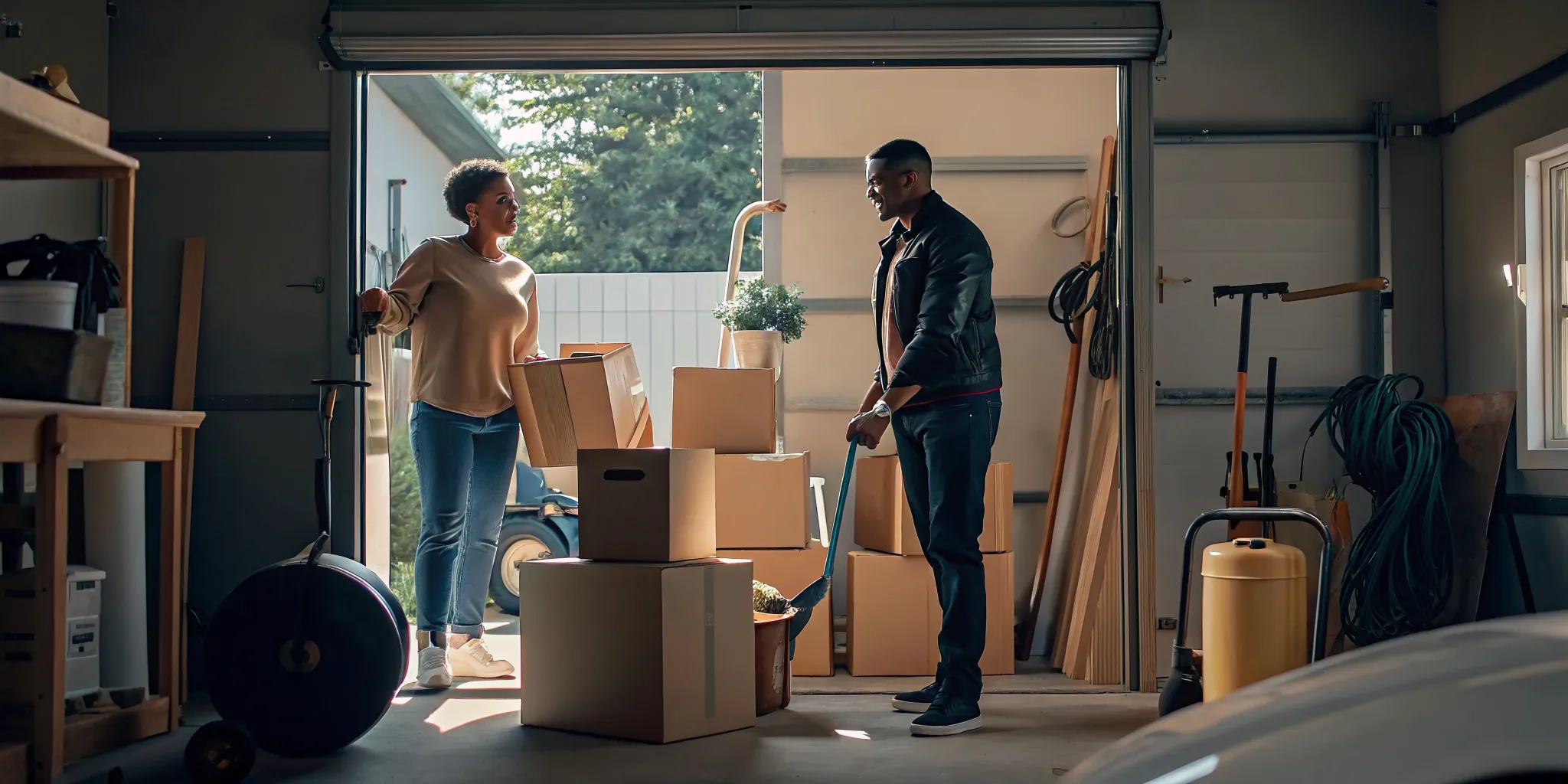
Which hazardous items will movers refuse?
Movers must refuse items that can ignite, explode, corrode, poison, or leak during transit. Common examples include gasoline, propane cylinders, fireworks, paint thinner, pool chemicals, pesticides, and some batteries. Ask your mover before packing anything questionable.
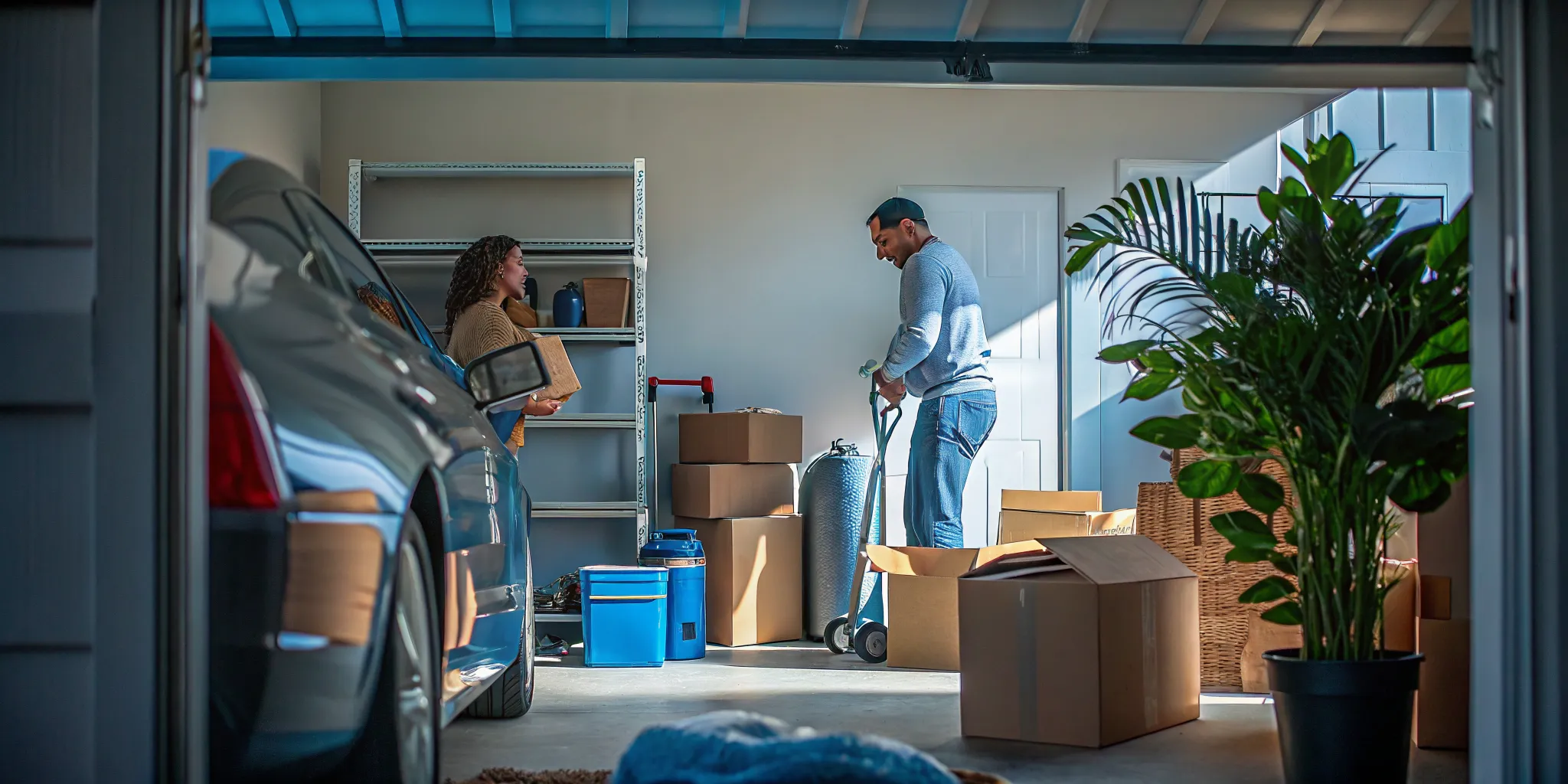
Pro moving teams follow strict safety rules to keep your goods and their crews safe. They cannot take items that might explode, catch fire, or leak. If you are making a list of what not to pack when moving, you must put dangerous goods at the top. These items can be risky in a closed truck, mostly during long trips through Southern California heat.
Flammable and explosive goods
Movers will not carry anything that can catch fire easily. This includes gas, kerosene, and propane tanks. Even if a tank is empty, most movers will still refuse it because of the fumes left inside. You should also keep items like charcoal, lighter fluid, and matches out of your moving boxes. These goods pose a high fire risk in the back of a van.
Paint and paint thinners are also on the limited list. Many people do not know that latex paint and spray paint are often seen as fire hazards. If you have old paint cans, it is best to donate them or take them to a local waste site. Skilled professional packing services can help you find which items are safe to pack if you feel unsure.
Dangerous household chemicals
Many common cleaning supplies are toxic or corrosive. Bleach, ammonia, and pool chemicals can cause harmful fumes if they leak and mix together. Most moving teams will refuse to move these because they can damage other items in the truck. Moving dangerous goods by highway is strictly controlled to prevent crashes and protect the public.
Batteries are another common item that movers may leave behind. This includes lead-acid batteries from cars and even some small alkaline batteries. These can leak acid or short circuit during the move. Instead of packing them, you should drop them off at a waste center. Using a clear moving checklist essentials can help you track these small but vital details before moving day arrives.
Firearms and ammo
Most movers will not move firearms or ammo. These items are highly controlled and can cause major legal and safety issues. If you own guns, you will need to move them in your own car or find a special shipper. Always check with your mover early on about their specific rules for these items. Each team has its own list of non-allowable goods based on safety laws.
It is your job to make sure no dangerous goods end up on the truck. If a mover finds a dangerous item, they may have to stop the whole move until it is removed. This can lead to delays and extra costs. To avoid stress, look for legal ways to get rid of old fuel or chemicals weeks before you leave. This keeps your move on track and ensures everyone stays safe on the road.
Food, plants, and liquids require a separate plan
Use, donate, or discard perishable food and open liquids before moving day. Confirm plant rules in advance, especially for interstate moves. Even when an item is not legally prohibited, movers may restrict it because it can leak, spoil, attract pests, or damage nearby belongings.
Planning what to bring to your new home takes time and care. One of the biggest choices you will make is what not to pack when moving. Items like food, plants, and liquids can cause mess or damage if you do not handle them right. Many expert movers have strict rules for these goods to keep your other items safe and dry. At Neatly Moving & Storage, we help you plan these details so your move stays on track.
Managing food and perishables
Most movers will not take food that spoils, as meat and dairy can rot and create bad smells in the truck. Even dry food in open bags can attract pests like ants or mice. If you are planning local moving services, it may be best to move these items yourself in a cooler. For long moves, try to eat or donate your frozen food before moving day.
You also need to prepare your appliances early. You should defrost and clean your fridge and freezer at least a few weeks before you move. This step helps prevent mold and water damage during the trip. If you leave food inside, it will likely rot and leave a smell that is hard to remove. Checking a moving checklist can help you keep in mind these small but vital tasks.
Transporting live plants
Live plants are often on the list of things movers do not take. Plants are fragile and can easily tip over and spill dirt on your items. They also need light and air, which they will not get inside a dark moving truck for long trips. If you move to a new state, farm laws may even stop you from bringing some plants with you. These rules exist to stop the spread of bugs and plant diseases.
If your plants are dear to you, plan to move them in your own car. Make sure they have enough water but are not so wet that they leak. For very large plants, you might want to give them to friends or neighbors. This choice saves space and keeps the plants healthy. If you have many large items, our team can provide packing help to sort through what can safely go on the truck.
Handling leak-prone liquids
Liquids are a major risk because they can leak and ruin your boxes, and household cleaning products like bleach or soap are often limited. Many of these items are hazardous materials because they can catch fire or cause bad chemical effects. The Federal Motor Carrier Safety Administration sets strict rules for moving such goods on public roads. These laws help keep drivers and the public safe from leaks.
Other common liquids like oils, paints, and perfumes should also stay off the truck. If a bottle breaks, it can soak into your clothes or wood items and cause stains. To stay safe, seal any liquids you must move in plastic bins or bags. Always check with your mover if you are unsure about an exact item. Our flat-rate quotes include clear advice on what we can and cannot move for you.
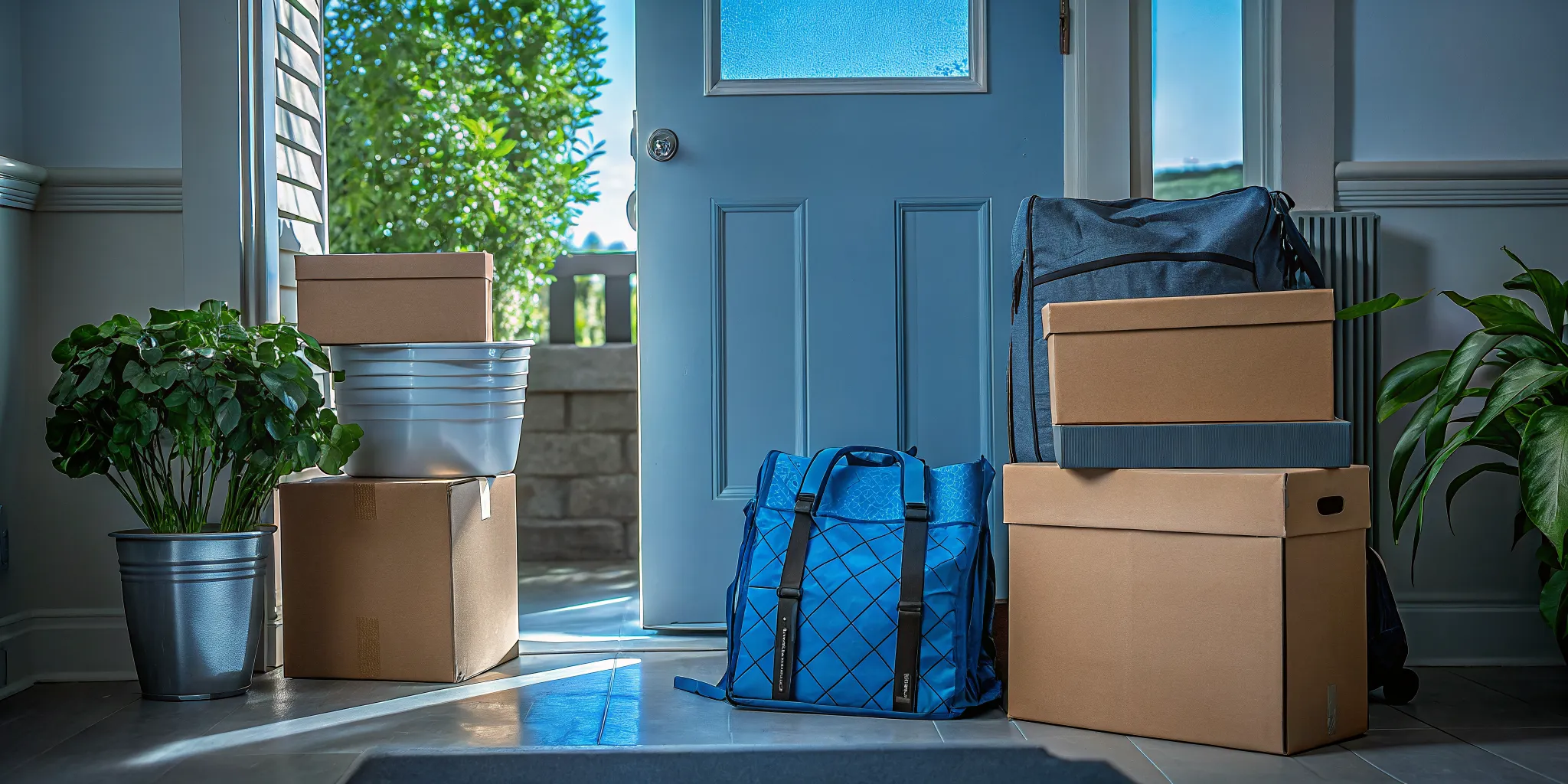
What should you carry yourself during a move?
Carry identification, keys, medications, irreplaceable records, valuables, payment methods, chargers, and a first-night essentials kit yourself. These items are not always prohibited, but keeping them with you reduces loss risk and avoids opening packed boxes during the move.
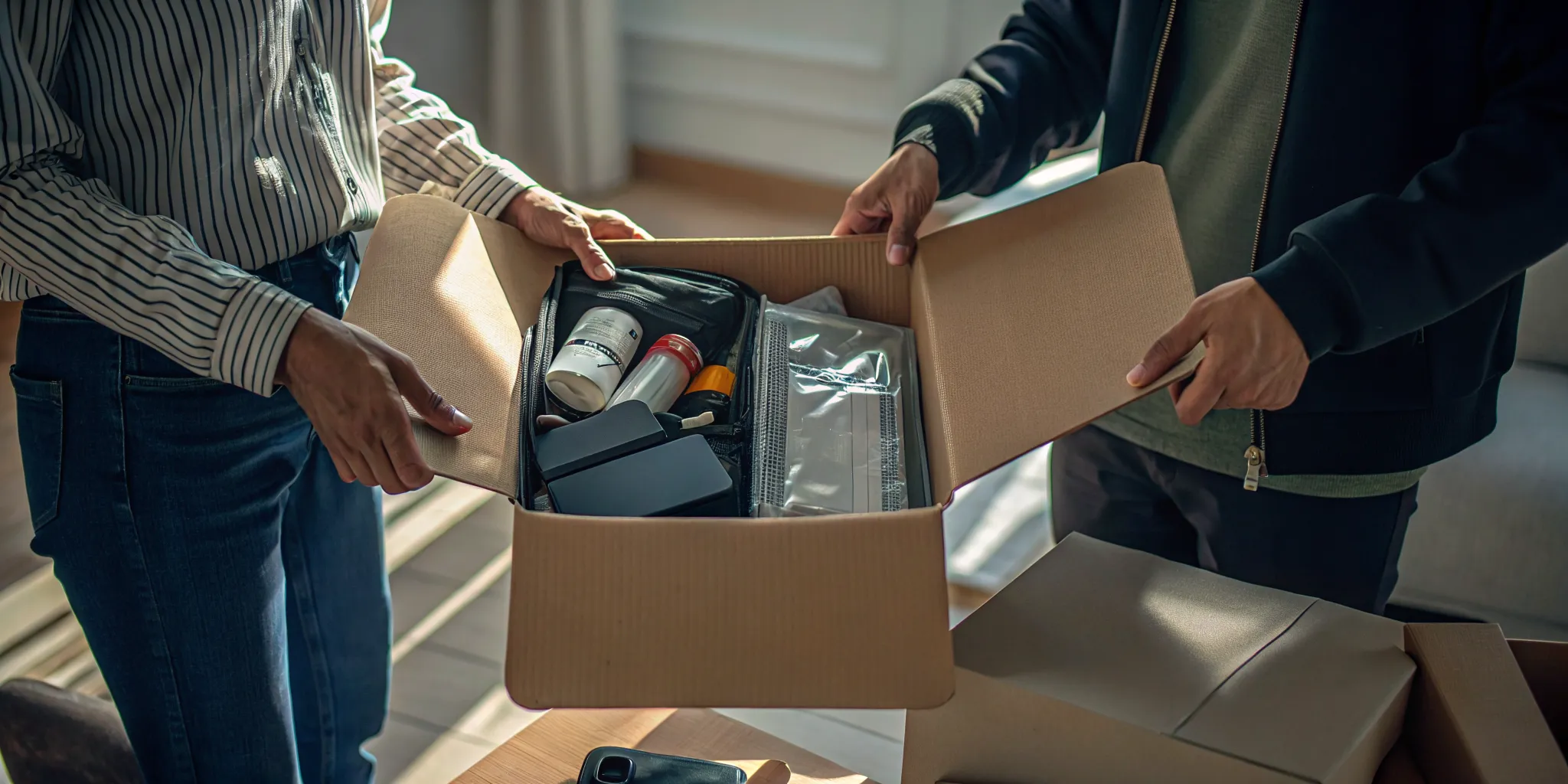
When you pack for a move, you might want to put everything in boxes for the truck. But some things are too vital to let out of your sight. Keeping a personal bag for items you will need right away or that are hard to replace helps you keep control. Finding what not to pack when moving on a truck is a smart way to lower your stress.
Vital records and papers
Your most vital papers should stay with you at all times. This list includes birth papers, passports, and social security cards. You should also keep deeds, leases, and tax forms in a safe folder. Keeping your own files makes the whole move go much more smoothly.
If you need to sign for a new house or start a job, you will need these facts fast. You do not want to wait for a crew to unload a big truck just to find one piece of paper. The Federal Motor Carrier Safety Administration notes that keeping your own records is a key part of a safe move. It helps you get your family set up in their new home without any delays.
Valuables and family treasures
Items with high value or deep meaning should never go on a moving truck. This includes jewelry, cash, and coin sets. While movers have insurance, money cannot replace an item that has been in your family for years. Keeping these goods in your car or bag is the best way to keep them safe.
It is about keeping your most prized things close to you to save you from worry. You should also carry your laptop, tablet, and high-end camera with you. These items can break if they shift in a box or take damage from heat. Having your gear ready means you can get back to your life sooner.
It is also wise to keep any small family photos or old letters that no one can copy. These are the items that truly make a house feel like a home.
Daily needs and health gear
You will need some items the very first night you spend in your new place. This starts with all your daily meds and any health tools you use. You should also keep a small kit for your night-time needs.
- Soap and shampoo
- A change of clothes
- Towels and washcloths
- Toothbrush and toothpaste
Having these things ready helps you settle in without the need to unpack ten boxes first. You can use a moving checklist essentials list to help you sort these items out early. It saves you from digging through piles for a simple tool or a clean shirt.
Do not forget to keep your keys and phone chargers with you. You will need to lock up your old home and open the doors to the new one. Keeping your chargers in your bag means you will not run out of power. It is also smart to keep a few basic tools like a knife handy to help you open boxes.
How to separate no-pack items before moving day
Create three clearly separated groups: items to dispose of safely, items to carry personally, and special-case items to confirm with your mover. Put the personal group in a closed room, locked vehicle, or clearly marked area that the crew will not load.
Moving day is a big rush of work and lifting. If you do not set aside your items early, the things you need most might end up on a truck. Knowing what not to pack when moving is the best way to stay safe and ready.
Taking the time to sort your things now will save you hours of searching later. It also helps your moving crew work fast and stay safe. You should start this task at least two weeks before the movers arrive to give yourself enough time.
Identify unsafe and limited items
Pro movers follow strict safety laws to keep everyone safe. Federal rules control how hazardous materials move on the road. You cannot pack goods like motor oil, paint, or gas tanks on a moving truck.
These items can leak, smell, or even catch fire. You can also talk to professional packing services about how they handle these goods. You also need to keep out home cleaners and most batteries.
Along with safety risks, you should leave out food that spoils and live plants. These items can rot or attract pests during a long trip in a dark van. This keeps the truck clean and safe for all your other goods.
Keep your meds and prized items with you
Some things are far too vital to put on a moving truck. It is best to keep your birth papers, jewelry, and cash in a bag that stays with you. You should also keep your daily medicine and phone chargers where you can reach them.
Many families choose to pack a “first night” box. This box holds things like soap and basic tools. Having these items on hand means you will not have to open every box. You can brush your teeth or charge your phone without a long search.
Set up a clear sorting plan
The best way to manage these items is to have a clear plan. Follow these steps to ensure nothing gets loaded by mistake:
- Check mover rules. Ask your moving team for their list of items they cannot carry. Each group has its own rules based on safety and laws.
- Sort by type. Go through each room and decide what to use up, give away, or throw out. Do this early so you have less to handle on the big day.
- Pack your own kit. Put your IDs and keys in a safe bag. Keep this bag in your car or a locked closet.
- Make a no-load zone. Pick one small room or a corner of the house. Put everything that stays with you in this one spot.
- Label each area. Use bright tape or large signs to mark the no-load zone. Tell the moving crew that this area is off-limits.
- Final walk. Before the truck leaves, walk through every room. Check closets and drawers to make sure you have all your vital items.
Following a detailed moving checklist essentials can help you stay on track. When you set aside your “no-pack” items early, you take the guesswork out of moving day.
This simple step keeps your team safe and your most needed items close by. By being ready, you can enjoy a smoother move to your new Southern California home.
Ask before packing these special-case items
Ask your mover about fine art, pianos, safes, firearms, lithium batteries, unusually large items, and anything with fuel or oil. Advance notice lets the team confirm whether the item is accepted and whether it requires special preparation, equipment, or documentation.
Some items in your home need more care than a plain box. These goods often have strict rules for safety or law. Knowing what not to pack when moving can save you time and keep your things safe. It is best to check with your movers before you start. Many teams have clear lists of what they can and cannot take on a truck.
High value and oversized goods
Fine art, pianos, or large safes need custom care. These pieces may not fit in a normal truck or might break. You should talk to your team about these items early. They may need to build a custom box or use special tools. This helps you avoid damage to your best goods and keeps your move on track.
High-value pieces also need extra steps for safety. Most basic plans do not cover the full cost of very rare items. If you have jewelry or cash, it is safer to carry them yourself. This gives you peace of mind during the trip. You can find more tips on how to handle these in our moving FAQ page.
Battery powered items and gear
Lithium batteries are in many modern tools and toys. But these can catch fire if they get too hot or crushed. Because of this risk, they are often on a blocked list. This is true for e-bikes and some power tools. Ask your crew about their safety rules for tech and gear before you pack.
The federal government sets strict rules for moving unsafe goods. These laws cover items that can explode or burn. You can check the federal hazardous materials rules to see what is not allowed. Items like gas-filled gear must be empty before they go on the truck. Many movers in Los Angeles and Orange County will not take these if they still hold fuel.
Alcohol and firearms
Moving a wine set or home bar needs a good plan. Glass bottles can break and leak during the drive. Some states also have rules about moving lots of alcohol. Talk to your mover to see if they have the right gear to keep your bottles safe. This is vital for long trips across state lines.
Firearms are another case where rules are very tight. Movers may have a rule against taking guns or ammo. This is due to safety and local laws. You must clear these items with your mover before your move date. For a full list of what to handle yourself, see our moving checklist essentials. This helps you stay on track and avoid stress.
Outdoor gear like grills or fire pits can be tricky. These items are often dirty or have ash inside. Clean them well before the crew arrives. Make sure to remove any fuel or power packs too. If you are moving in Ventura or Riverside, local heat can make fuel tanks more risky. Always put safety first when you pack your home.
Frequently Asked Questions
What items are movers strictly prohibited from transporting?
Movers cannot legally move dangerous or unstable items. This includes things like explosives, fuels that catch fire easily, and toxic chemicals. These rules exist for the safety of the crew and your goods. According to the Federal Motor Carrier Safety Administration, there are strict laws about moving dangerous goods on the road. You must handle or get rid of these things yourself before your move date.
Which items should you always carry with you when moving?
You should keep your most valuable and personal items with you. This includes birth papers, jewelry, cash, and any daily medicine you take. It also helps to carry phone chargers and basic tools you might need right away. Keeping these things in your own car gives you peace of mind. Expert teams like Neatly Moving & Storage suggest this to keep your most important items safe and easy to find.
Are live plants allowed on moving trucks?
Most moving teams do not take live plants on their trucks. Plants can be very messy and often need light and water that they cannot get during a long trip. Also, there are many laws about moving plants across state lines to stop the spread of bugs. It is usually best to move your plants in your own car or give them to friends. This keeps the moving truck clean and follows local rules.
Can I pack food on a moving truck?
You should not pack food that can spoil on a moving truck. Items that need a fridge or freezer can rot and smell bad during the trip. This can also attract bugs or other pests to the truck. Even open bags of dry food are a bad idea because they can spill. To keep things clean, try to eat or donate your food before you move. This ensures your other items stay fresh and safe.
Ready to request your flat-rate moving estimate?
Confirming your no-pack items before moving day helps the crew load safely and keeps essentials within reach. Neatly Moving & Storage provides clear communication and transparent flat-rate pricing for Southern California moves.
Moving day comes fast. If you do not plan your pack now, you will lose both time and money on your move. Waiting to sort these items makes your move much harder. It can lead to high costs and more stress on the big day. You need a clear plan to stay safe. Keep your move on track without any extra work or late fees. You get the best result and a clear date when you book now. Get a set price with no surprise fees. Our team handles the hard work for you. This lets you focus on your new home and your family. Use our moving checklist essentials to get ready. Skip the stress of a last-minute pack.
Ready to request a moving estimate? Call (818) 660-1448 to request a moving estimate.


